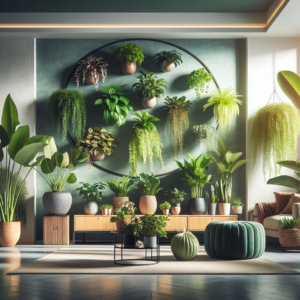
Plants, much like humans, have specific needs to thrive. Among these, sunlight is one of the most crucial elements. Understanding the sunlight needs of plants is essential for anyone looking to maintain a healthy garden or indoor plant collection. This article delves into the intricacies of plant sunlight requirements, offering insights into how you can optimize your plant care routine to ensure vibrant and thriving greenery.
The Importance of Sunlight for Plants
Sunlight serves as the primary energy source for plants through the process of photosynthesis. This process allows plants to convert light energy into chemical energy, which fuels their growth and development. Without adequate sunlight, plants cannot produce the energy they need, leading to stunted growth, poor health, and even death.
Understanding Photosynthesis
Photosynthesis is the process by which plants, algae, and some bacteria convert light energy, usually from the sun, into chemical energy stored in glucose. This process takes place in the chloroplasts of plant cells, where chlorophyll captures light energy. The overall equation for photosynthesis is:
6CO2 + 6H2O + light energy → C6H12O6 + 6O2
This chemical reaction underscores the importance of sunlight, as it powers the conversion of carbon dioxide and water into glucose and oxygen. Understanding this process highlights why sunlight is indispensable for plant life.
Types of Sunlight Exposure
Not all sunlight is the same, and various plants have differing requirements for light intensity and duration. Generally, sunlight exposure is categorized into several types:
Full Sun
Full sun refers to areas that receive at least six hours of direct sunlight daily. This exposure is ideal for sun-loving plants such as tomatoes, roses, and sunflowers. These plants are adapted to intense sunlight and thrive in such conditions.
Partial Sun/Partial Shade
Partial sun or partial shade refers to areas that receive between three to six hours of direct sunlight each day. Plants like hydrangeas, ferns, and begonias often thrive under these conditions, as they require protection from harsh midday sun.
Full Shade
Full shade areas receive less than three hours of direct sunlight per day, with filtered or indirect light for the rest of the day. Shade-loving plants such as hostas and impatiens are well-suited for these environments.
Assessing Your Environment’s Sunlight
Understanding the sunlight exposure in your garden or home is crucial for selecting the right plants. Here’s how you can assess the sunlight in your environment:
Observe the Sun’s Path
Take note of the sun’s path throughout the day to identify which areas receive full sun, partial sun, or shade. This observation will guide you in positioning your plants appropriately.
Use a Sunlight Meter
A sunlight meter is a handy tool that measures the amount of light in a specific area. This device can help you determine the best spots for your plants based on their sunlight needs.
Consider Seasonal Changes
Remember that sunlight exposure can vary with the seasons. A spot that receives ample sunlight in the summer might be shaded in the winter due to changes in the sun’s angle.
Matching Plants to Sunlight Conditions
Matching your plants to the appropriate sunlight conditions is key to their health. Here are some tips for selecting plants based on their sunlight requirements:
Research Plant Needs
Before purchasing a plant, research its sunlight requirements. Most nurseries and garden centers label plants with their preferred light conditions, making it easier to choose the right ones.
Group Plants by Light Needs
Grouping plants with similar light requirements can help ensure that all your plants receive the appropriate amount of sunlight. This practice simplifies plant care and enhances the overall aesthetic of your garden or indoor space.
Adjusting Light Conditions
Sometimes, you may need to adjust the light conditions to suit your plants. Here are some strategies for managing sunlight exposure:
Use Curtains or Blinds
For indoor plants, curtains or blinds can be used to filter sunlight, reducing its intensity and preventing sunburn on sensitive plants.
Relocate Plants
If a plant is not thriving in its current location, consider relocating it to a spot that better suits its sunlight needs. This simple move can make a significant difference in the plant’s health.
Utilize Outdoor Structures
Outdoor structures like pergolas or shade cloths can provide protection for plants that require partial shade. These structures can help control the amount of direct sunlight reaching your plants.
Signs of Improper Sunlight Exposure
It’s crucial to recognize signs that your plants are receiving either too much or too little sunlight:
Too Much Sunlight
Plants exposed to excessive sunlight may exhibit scorched leaves, wilting, and faded color. If you notice these signs, consider providing shade or relocating the plant to a less intense light area.
Too Little Sunlight
Plants deprived of adequate sunlight may become leggy, with elongated stems and sparse leaves. They may also display slow growth and poor flowering. Increasing light exposure or moving the plant to a sunnier spot can help.
Conclusion
Understanding plant sunlight needs is fundamental to successful plant care and maintenance. By recognizing the types of sunlight exposure, assessing your environment, and matching plants to suitable conditions, you can create an optimal growth environment for your plants. Whether indoors or outdoors, ensuring your plants receive the right amount of sunlight will lead to healthier and more vibrant greenery, enhancing the beauty and vitality of your space.
#ChatGPT assisted in the creation of this article.