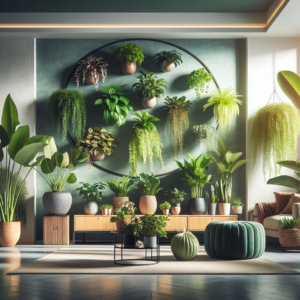
Houseplants can transform any living space into a vibrant, lush oasis. However, keeping them healthy and thriving requires understanding their needs and providing consistent care. This ultimate guide will walk you through essential houseplant care tips to ensure your greens thrive year-round.
Understanding Your Plant’s Needs
Each plant species has unique requirements. To offer the best care, it’s essential to understand these needs, including light, water, temperature, and humidity preferences. Researching specific plant species is a great start.
Light Requirements
Light is crucial for photosynthesis, the process by which plants convert light into energy. Different plants have varying light requirements. While some thrive in bright, direct sunlight, others prefer indirect light or even low-light conditions.
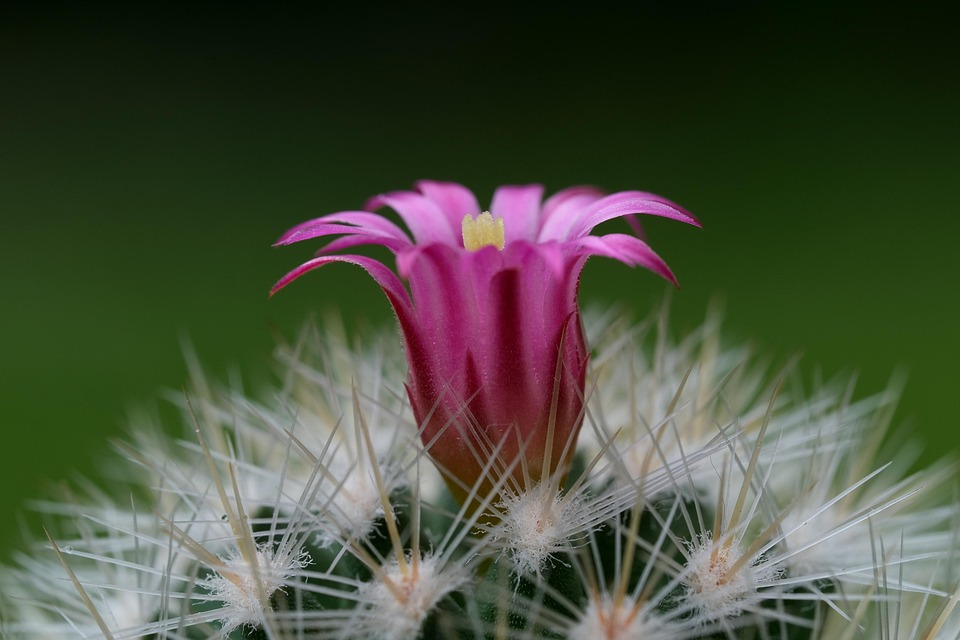
For instance, succulents and cacti need plenty of direct sunlight, whereas plants like the peace lily or snake plant can survive in low light. Position your plants accordingly and rotate them regularly to ensure even growth.
Watering Wisely
Overwatering is a common mistake that can lead to root rot. The key is to water your plants based on their specific needs and environmental conditions. Some plants, like ferns, enjoy consistently moist soil, while others, like succulents, prefer it to dry out between waterings.
To determine if your plant needs water, check the top inch of soil. If it’s dry, it’s time to water. Ensure your pots have drainage holes to prevent water from sitting at the bottom. Use room-temperature water to avoid shocking the roots.
Temperature and Humidity
Most houseplants thrive in temperatures between 60-75°F (15-24°C). Avoid placing them near drafts, heaters, or air conditioners, as these can cause temperature fluctuations. High humidity levels are preferable for many tropical plants, so consider using a humidifier or placing a water tray near your plants.
Choosing the Right Pot and Soil
The type of pot and soil you choose can significantly affect your plant’s health. Ensure pots have adequate drainage to prevent waterlogging, which can lead to root rot.
Pot Selection
When selecting a pot, consider both aesthetics and functionality. Clay pots are porous, allowing air and moisture to penetrate the sides, which is beneficial for succulents and cacti. Plastic pots retain moisture longer and are lighter, making them a good choice for plants that require consistent moisture.
Soil Composition
Different plants require different soil types. Cacti and succulents need well-draining soil with sand or perlite, whereas ferns thrive in rich, organic matter. Consider purchasing specialized potting mixes that cater to your plant’s specific needs.
Fertilizing for Growth
Houseplants require nutrients to grow, which they obtain from fertilizers. However, over-fertilizing can harm your plants. Use a balanced, water-soluble fertilizer every 4-6 weeks during the growing season (spring and summer).
Understanding Fertilizer Labels
Fertilizers are labeled with three numbers representing the ratio of nitrogen, phosphorus, and potassium (N-P-K). Each element plays a crucial role in plant health: nitrogen promotes leaf growth, phosphorus aids in root and flower development, and potassium helps overall plant health.
Choose a balanced fertilizer, such as a 10-10-10 mix, for most houseplants, but do research specific needs for individual species.
Pruning and Maintenance
Regular pruning helps maintain plant shape and encourages new growth. Remove dead or yellowing leaves to prevent disease spread and improve air circulation.
Pruning Techniques
Use clean, sharp scissors or pruning shears to make clean cuts. Cut just above a leaf node to encourage bushier growth. For vining plants, trim back long stems to prevent legginess and promote fuller growth.
Pest Control
Inspect your plants regularly for signs of pests like spider mites, aphids, or mealybugs. If you notice any, isolate the affected plant and treat it with insecticidal soap or neem oil. Maintaining good air circulation and not overwatering can help prevent infestations.
Repotting Your Plants
As plants grow, they may outgrow their pots and require repotting. Signs your plant needs repotting include roots growing out of drainage holes, stunted growth, or if the soil dries out quickly after watering.
Steps for Repotting
Choose a pot that is one size larger than the current one. Gently remove the plant from its current pot, taking care to loosen the root ball. Place it in the new pot with fresh soil, ensuring the plant is at the same depth as before. Water thoroughly after repotting.
Seasonal Care Tips
Spring and Summer
During the growing season, plants require more water and nutrients. Increase watering frequency and fertilize regularly. Ensure they receive ample light, but be mindful of the intense summer sun, which can scorch leaves.
Fall and Winter
As temperatures drop, reduce watering and halt fertilization, as most plants enter a dormant phase. Move plants away from cold drafts and ensure they receive sufficient light, as daylight hours decrease.
Conclusion
Caring for houseplants is a rewarding endeavor that brings life and beauty into your home. By understanding and meeting your plants’ specific needs, you can ensure their health and vitality. With patience and attention, your houseplants will thrive, providing you with a lush, green sanctuary.
#ChatGPT assisted in the creation of this article.