
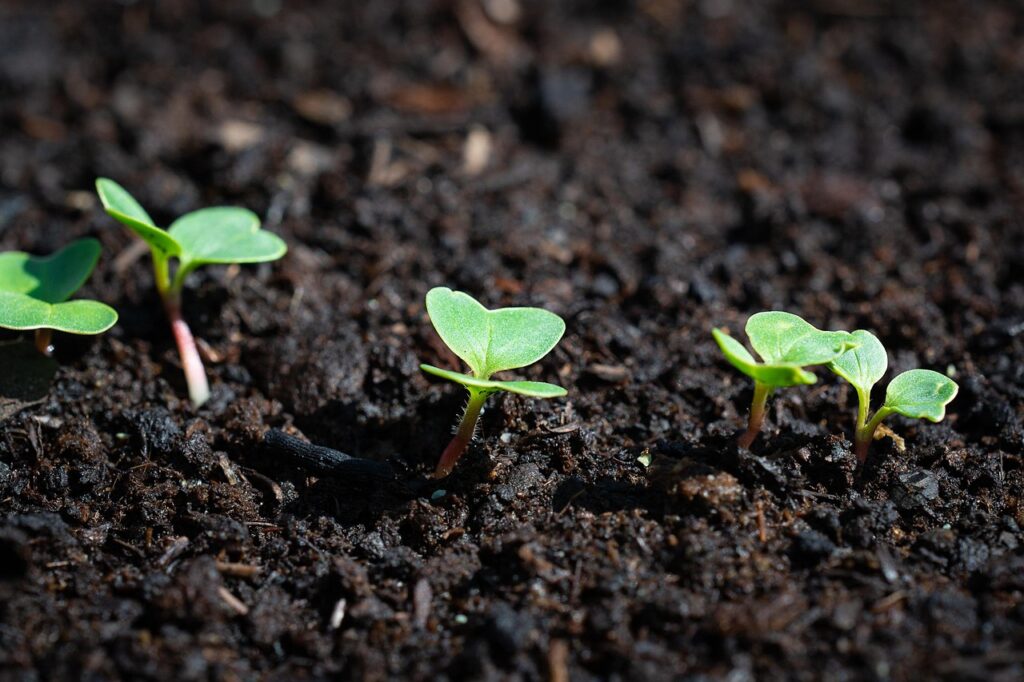
Gardening is not just a hobby; it’s a rewarding journey that connects you to nature and provides a sense of accomplishment. Whether you’re planting a small herb garden on your windowsill or transforming your backyard into a lush oasis, the joy of seeing your plants thrive is unparalleled. This beginner’s guide will take you step-by-step through the essentials of gardening, ensuring you have a thriving garden in no time.
Understanding Your Garden Space
The first step to a successful garden is understanding your space. Whether you have a small balcony or a large plot of land, assessing your garden area is crucial.
Evaluate Sunlight Exposure
Sunlight is a vital component for plant growth. Observe how sunlight moves across your garden throughout the day. Most vegetables and flowers require at least 6-8 hours of direct sunlight. Note areas that receive full sun, partial shade, or full shade, as this will influence your plant choice.
Soil Quality and Type
Soil is the foundation of a thriving garden. Conduct a simple soil test to determine its pH level and nutrient content. You can purchase a soil testing kit or send a sample to a local extension service. Understanding your soil type (sandy, clay, loamy) will also help you amend it appropriately for the plants you wish to grow.
Climate Considerations
Your local climate will dictate the types of plants you can grow. Familiarize yourself with your USDA hardiness zone, which provides information on the average minimum temperature for your area. This will help you choose plants that are well-suited to your climate conditions.
Selecting the Right Plants
Choosing the right plants is key to a thriving garden. As a beginner, start with easy-to-grow plants that require minimal maintenance but offer maximum rewards.
Annuals vs. Perennials
Annual plants complete their life cycle in one growing season, while perennials return year after year. For beginners, a mix of both can offer immediate gratification and long-term beauty. Consider starting with hardy annuals like marigolds or zinnias, and perennials such as daylilies or hostas.
Edible Gardening
Growing your own food is both satisfying and practical. Start with easy vegetables and herbs like lettuce, tomatoes, basil, and chives. These plants are relatively low-maintenance and can thrive in containers or garden beds.
Native Plants
Incorporating native plants into your garden not only supports local wildlife but also ensures that your garden is resilient to local pests and weather conditions. Research native species that will thrive in your area with minimal intervention.
Preparing the Garden Bed
Once you’ve selected your plants, it’s time to prepare the garden bed. Proper preparation sets the stage for healthy plant growth.
Clearing and Tilling
Start by clearing the area of weeds, rocks, and debris. Tilling or turning the soil helps to aerate it, improving water drainage and root penetration. Be mindful not to over-till, especially if you have clay soil, as this can lead to compaction.
Amending the Soil
Enhance your soil with organic matter such as compost, aged manure, or peat moss. These amendments improve soil structure, fertility, and water retention. Aim to create a loose, crumbly soil texture that will encourage healthy root growth.
Mulching
Mulch serves multiple purposes: it retains soil moisture, suppresses weeds, and adds organic matter as it decomposes. Apply a 2-3 inch layer of organic mulch, such as shredded bark or straw, around your plants, being careful not to cover the plant stems.
Planting Techniques
Proper planting techniques ensure your plants establish strong roots and thrive in their new environment.
Transplants vs. Seeds
For beginners, starting with transplants (young plants) can be easier than seeds, as they give you a head start in the growing season. However, some plants, like carrots and beans, are best sown directly from seed. Follow planting instructions specific to each plant regarding depth and spacing.
Watering Wisely
Proper watering is crucial to plant health. Water deeply and less frequently to encourage deep root growth. Early morning is the best time to water, reducing evaporation and fungal disease risk. Use a soaker hose or drip irrigation for efficient watering.
Companion Planting
Companion planting involves growing certain plants together to benefit each other. For example, marigolds can deter pests from tomatoes, and basil can enhance the flavor of nearby plants. Research compatible plant pairings to optimize your garden’s ecosystem.
Maintaining Your Garden
Regular maintenance is essential to keep your garden healthy and productive.
Weeding and Pest Control
Weeds compete with your plants for nutrients, water, and sunlight. Regularly inspect your garden and remove weeds promptly. For pest control, adopt integrated pest management practices, which include encouraging beneficial insects, using organic pesticides, and practicing crop rotation.
Pruning and Deadheading
Pruning helps maintain plant shape, encourages new growth, and removes diseased or dead parts. Deadheading, or removing spent flowers, encourages plants to produce more blooms. Use clean, sharp tools to avoid damaging your plants.
Fertilizing
Fertilizing replenishes nutrients in the soil. Use a balanced, slow-release fertilizer, following the manufacturer’s instructions for application rates. Be cautious not to over-fertilize, as this can harm plants and lead to nutrient runoff.
Dealing with Challenges
Even with the best care, gardens can face challenges. Learning to recognize and address these issues is part of the gardening journey.
Pest Problems
Identify pests early by regularly inspecting plants for damage or signs of infestation. Hand-pick larger pests like caterpillars, and use barriers or organic sprays for smaller insects.
Disease Management
Prevent plant diseases by ensuring good air circulation, avoiding overhead watering, and removing infected plant material. Fungicides can be used as a last resort for fungal infections.
Weather Extremes
Protect your garden from extreme weather by using row covers, mulch, and windbreaks. During droughts, prioritize watering the most vulnerable plants and conserve water through mulching and efficient irrigation.
Enjoying Your Harvest
The ultimate joy of gardening is enjoying the fruits of your labor. Whether it’s a vase of fresh flowers or a basket of homegrown vegetables, savor the rewards of your hard work.
Harvesting Tips
Harvest vegetables and herbs regularly to encourage continued production. Pick flowers in the early morning or late afternoon when they are the most hydrated. Use clean, sharp tools to avoid damaging plants during harvest.
Preserving Your Produce
If you have an abundant harvest, consider preserving your produce through canning, freezing, or drying. This allows you to enjoy your garden’s bounty even after the growing season ends.
Sharing the Bounty
Gardening can foster a sense of community. Share your harvest with friends, family, or local food banks. Consider starting a seed exchange or garden club to connect with other gardening enthusiasts.
Conclusion
Embarking on your gardening journey can be an incredibly fulfilling experience. By understanding your space, selecting the right plants, and maintaining a healthy garden, you can create a thriving oasis that brings joy and nourishment. Remember, every gardener was once a beginner, so embrace the learning process and enjoy the beauty of nature right in your own backyard.
#ChatGPT assisted in the creation of this article.


