
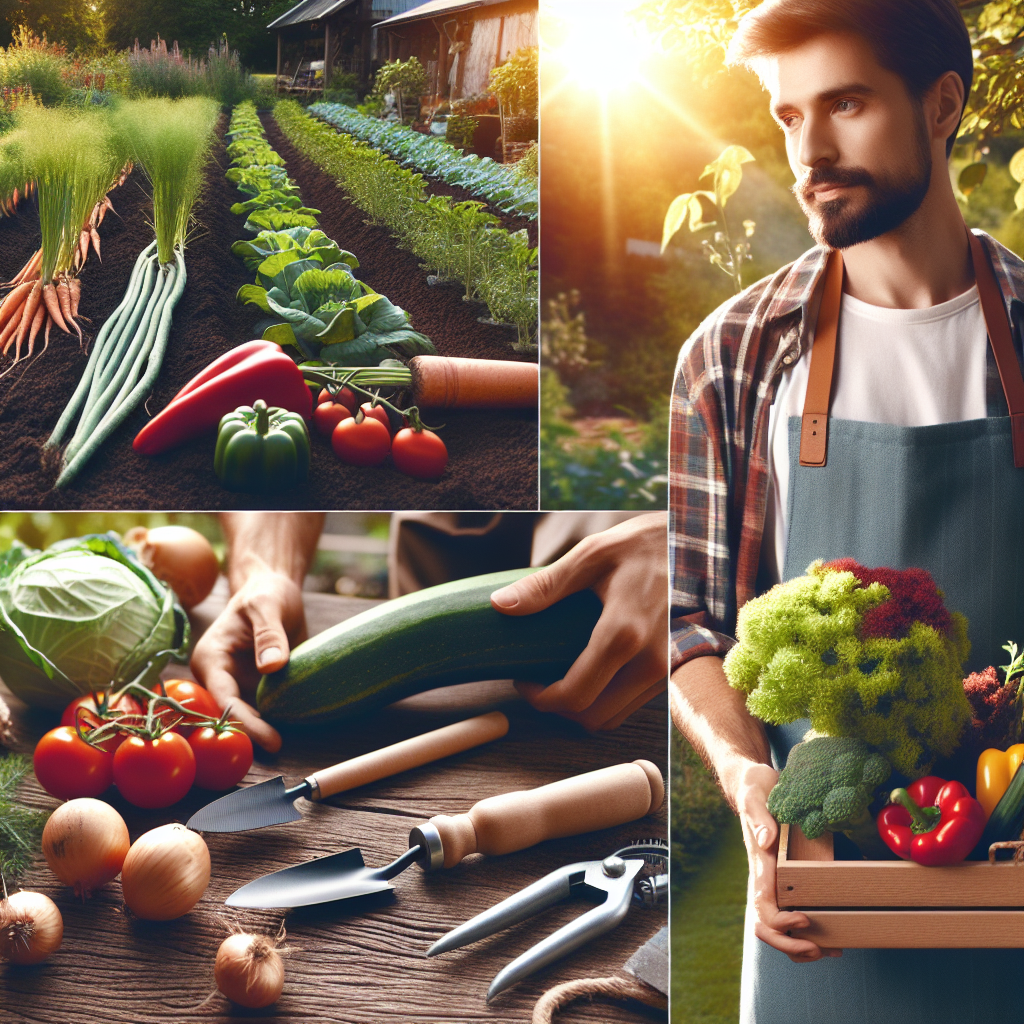
Embarking on the journey of vegetable gardening can be both exciting and daunting for beginners. Growing your own vegetables not only offers a rewarding sense of accomplishment but also provides fresh, organic produce right from your backyard. Whether you have a sprawling garden or a small balcony, these tips will help you start your vegetable gardening journey with confidence and success.
Start Small and Simple
One of the most important tips for new gardeners is to start small. Resist the temptation to plant a large, diverse garden right away. Instead, focus on a few easy-to-grow vegetables to ensure you’re not overwhelmed. Choose vegetables like radishes, lettuce, or green beans that have shorter growing cycles and are more forgiving of beginner mistakes. As you gain experience, you can expand your garden and try more complex vegetables.
Choose the Right Location
Vegetables require plenty of sunlight to thrive. Most vegetables need at least six to eight hours of direct sunlight per day. Observe your garden space throughout the day to determine the sunniest areas. Also, consider the proximity to a water source for easy irrigation. If planting in containers, remember that they can be moved to chase the sun if necessary.
Invest in Quality Soil
The foundation of a healthy vegetable garden is quality soil. Vegetables thrive in nutrient-rich, well-draining soil. If you’re starting with poor soil, consider amending it with organic matter such as compost or well-rotted manure. Test the soil pH to ensure it’s within the optimal range for the vegetables you intend to plant, typically between 6.0 and 7.5. Good soil will provide the nutrients your plants need to grow strong and healthy.
Plan Your Garden Layout
Proper planning of your garden layout can save time and increase productivity. Consider the mature size of each plant to ensure adequate spacing, which helps prevent overcrowding and disease. Use vertical gardening techniques such as trellises for vining plants like peas and cucumbers to maximize space. Companion planting, where certain plants benefit each other when grown together, can also be a useful strategy.
Understand the Importance of Timing
Successful vegetable gardening depends heavily on timing. Learn the last frost date in your area, as this will guide you on when to start planting. Some vegetables prefer cooler weather, while others thrive in warmth. For instance, plant peas and spinach in early spring, while tomatoes and peppers should be planted after the danger of frost has passed. Consider starting seeds indoors to extend the growing season.
Water Wisely
Proper watering is crucial for a productive vegetable garden. Aim to water deeply and infrequently to encourage deep root growth, rather than shallow watering every day. The best time to water is in the early morning, which reduces evaporation and fungal diseases. Mulching around plants can help retain soil moisture and suppress weeds.
Practice Regular Maintenance
Regular maintenance is key to keeping your vegetable garden healthy and productive. This includes tasks such as weeding, thinning seedlings, and checking for pests and diseases. Weeds compete with your vegetables for nutrients and water, so keep them in check. Thin crowded seedlings to give remaining plants more room to grow. Regularly inspect plants for signs of pests or disease and take action promptly to prevent them from spreading.
Use Natural Pest Control Methods
While pests can be a significant challenge in vegetable gardening, there are many natural methods to keep them at bay. Encourage beneficial insects like ladybugs and lacewings, which prey on harmful pests. Use barriers such as row covers to protect plants from insects. Homemade solutions like garlic or neem oil sprays can help deter pests without the use of harmful chemicals.
Harvest at the Right Time
Knowing when to harvest your vegetables is crucial for the best flavor and yield. Vegetables such as zucchini and cucumbers should be picked young and tender, while tomatoes are best left to ripen fully on the vine. Regular harvesting encourages plants to produce more. Keep track of the typical harvest time for each vegetable and watch for signs of readiness, such as color change and size.
Learn from Experience
Every growing season will teach you something new. Keep a gardening journal to record what worked well and what didn’t. Note planting dates, varieties grown, pest issues, and yield amounts. This information will be invaluable for planning future gardens. Don’t be discouraged by setbacks; instead, view them as learning opportunities that will make you a better gardener.
Join a Gardening Community
Gardening can be a social activity. Joining a local gardening club or online community can provide support, advice, and camaraderie. Experienced gardeners can offer valuable insights and troubleshooting tips. Sharing your successes and challenges with others can enhance your enjoyment and knowledge of vegetable gardening.
Conclusion
Starting a vegetable garden can be a fulfilling and enjoyable hobby, offering numerous benefits beyond just fresh produce. By following these tips, new gardeners can build a strong foundation for a thriving garden. Remember to start small, choose the right location, and pay attention to the needs of your plants. With patience, practice, and a willingness to learn, your vegetable garden will flourish, providing delicious homegrown produce for you and your family.
#ChatGPT assisted in the creation of this article.


