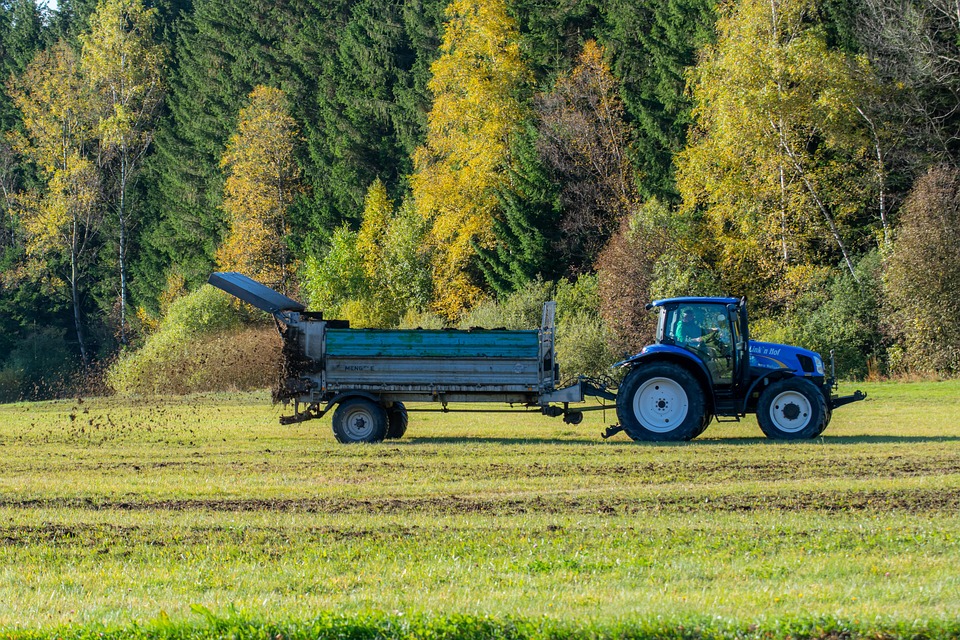
Achieving thriving greenery in your home or garden doesn’t just happen by chance. It requires knowledge, dedication, and, most importantly, proper nourishment. Fertilizing is a crucial component of plant care, providing essential nutrients that support growth, enhance color, and boost resilience against diseases. In this article, we’ll explore top fertilizing tips to ensure your plants not only survive but thrive.
Understanding Plant Nutrition
Plants require a balanced diet of nutrients to grow healthily. These nutrients are divided into macronutrients and micronutrients. Macronutrients are needed in larger quantities and include nitrogen (N), phosphorus (P), and potassium (K), often referred to as the NPK ratio on fertilizer labels. Micronutrients, such as iron, manganese, and zinc, are needed in smaller amounts but are equally vital for plant health.
Choosing the Right Fertilizer
Organic vs. Synthetic Fertilizers
One of the first decisions you’ll need to make is whether to use organic or synthetic fertilizers. Organic fertilizers, derived from natural sources, improve soil structure and promote microbial activity. Synthetic fertilizers, on the other hand, offer precise nutrient ratios and are usually more affordable. Both have their benefits, so consider your specific needs and preferences when making a choice.
Understanding Fertilizer Labels
Fertilizer labels can be confusing, but understanding them is crucial for effective plant care. The NPK ratio indicates the percentage of nitrogen, phosphorus, and potassium. For example, a 10-20-10 label means 10% nitrogen, 20% phosphorus, and 10% potassium. Different plants have varying nutritional needs, so choose a fertilizer that matches the requirements of your specific plants.
Timing Your Fertilizer Application
Seasonal Considerations
Fertilizing at the right time is crucial for optimal plant growth. Most plants benefit from fertilization during their active growing season, usually spring and summer. However, the specific timing can vary based on the plant species and local climate. Avoid fertilizing during dormant periods, typically in fall and winter, as this can lead to nutrient waste and potential plant damage.
Signs Your Plants Need Fertilization
Observing your plants is key to understanding their nutritional needs. Common signs that your plants may require fertilization include yellowing leaves, stunted growth, and poor flowering. However, be cautious not to over-fertilize, as this can lead to nutrient burn and soil imbalances. Striking the right balance is essential.
Application Techniques
Granular vs. Liquid Fertilizers
The method of application is just as important as the type of fertilizer you choose. Granular fertilizers are applied to the soil and release nutrients slowly over time, making them ideal for long-term nourishment. Liquid fertilizers, on the other hand, provide an immediate nutrient boost and are perfect for quick corrections or foliar feeding.
Soil Application
When applying granular fertilizers, it’s important to evenly distribute them across the soil surface. Water the area thoroughly after application to help the nutrients penetrate the soil. For liquid fertilizers, follow the manufacturer’s instructions regarding dilution rates and application frequency. Always apply to moist soil to prevent root damage.
Foliar Feeding
Foliar feeding involves spraying a diluted liquid fertilizer directly onto plant leaves. This method allows for rapid nutrient absorption and can be particularly beneficial for plants with nutrient deficiencies. It’s most effective in cloudy weather or during early morning or late afternoon to prevent leaf burn.
Special Considerations for Different Plant Types
Houseplants
Houseplants often require less frequent fertilization compared to outdoor plants. Use a balanced, water-soluble fertilizer every 4-6 weeks during the growing season. Be mindful of the specific needs of each species, as some may require specialized nutrients.
Flowering Plants
Flowering plants generally benefit from fertilizers higher in phosphorus, which supports bud and bloom development. Choose a fertilizer with a higher middle number in the NPK ratio, and apply it before the flowering season for best results.
Vegetables and Edibles
Edible plants, such as vegetables and herbs, require a steady supply of nutrients to produce a bountiful harvest. Opt for organic fertilizers to avoid chemical residues. Side-dress with compost or a balanced fertilizer every 3-4 weeks during the growing season.
Environmental Considerations
While fertilizing is essential for plant health, it’s important to consider its environmental impact. Over-fertilization can lead to nutrient runoff, polluting waterways and harming aquatic life. Always adhere to recommended application rates, and consider using slow-release or organic fertilizers to minimize environmental risks.
Conclusion
Fertilizing your plants is a fundamental aspect of achieving a lush, vibrant garden or home. By understanding plant nutrition, choosing the right fertilizer, timing your applications, and employing proper techniques, you can ensure your plants receive the nutrients they need to thrive. Remember, healthy plants begin with informed and attentive care.
#ChatGPT assisted in the creation of this article.