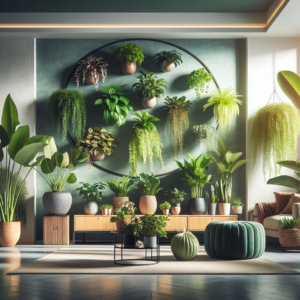
Indoor gardening is a rewarding hobby that not only beautifies your living space but also improves air quality and enhances your mood. However, cultivating a thriving indoor garden requires more than just placing a few pots near the window. Understanding the specific needs of your plants and creating an optimal environment for them is key to their health and longevity. This article provides top plant care tips to help you cultivate a flourishing indoor garden.
Understanding Your Plants
The first step in successful indoor gardening is understanding the specific requirements of each plant species. Some plants thrive in bright light, while others prefer low light conditions. Similarly, water requirements can vary greatly between species. Researching the needs of your plants will help you tailor their care effectively.
Light Requirements
Light is a critical factor in plant health. Most indoor plants fall into three categories: low light, medium light, and bright light. Low light plants, like the snake plant and pothos, can survive in dim areas. Medium light plants, such as peace lilies, prefer filtered light. Bright light plants, like succulents and cacti, need direct sunlight.
Watering Needs
Overwatering is one of the most common mistakes in indoor gardening. Different plants have varying water needs. Succulents require infrequent watering, while ferns need consistently moist soil. Check the top inch of soil; if it’s dry, it’s time to water. Ensure your pots have drainage holes to prevent waterlogging.
Creating the Perfect Environment
Besides light and water, several environmental factors influence plant health. Consider temperature, humidity, and soil quality when setting up your indoor garden.
Temperature
Most houseplants thrive in temperatures between 65°F and 75°F (18°C – 24°C). Sudden temperature changes can stress plants, so keep them away from drafts, heaters, and air conditioners.
Humidity
Indoor environments can be dry, especially in winter. Increase humidity by misting plants, using a humidifier, or placing a tray of water nearby. Tropical plants like orchids and ferns particularly benefit from higher humidity.
Soil Quality
Use high-quality potting mix that retains moisture while allowing for drainage. Different plants have different soil preferences; for example, orchids need a bark-based mix, while succulents prefer sandy soil.
Routine Care and Maintenance
Consistent care is crucial for plant health. Establishing a routine ensures your plants receive the attention they need to thrive.
Regular Pruning
Pruning helps plants maintain their shape and encourages growth. Remove dead or yellowing leaves to prevent disease. Trim leggy growth to promote a fuller appearance.
Fertilizing
Plants need nutrients, which they absorb from the soil. Fertilize during the growing season (spring and summer) using a balanced, water-soluble fertilizer. Reduce feeding in the fall and winter when plant growth slows.
Repotting
As plants grow, they may outgrow their pots. Repot them every 1-2 years in slightly larger containers with fresh soil. Repotting gives roots more space and refreshes the soil’s nutrients.
Pest Control
Indoor plants can fall prey to pests such as aphids, spider mites, and mealybugs. Early detection and treatment are crucial to prevent infestations.
Identifying Pests
Regularly inspect plants for signs of pests. Look for discolored leaves, webbing, or sticky residue. Use a magnifying glass to detect tiny insects.
Natural Pest Remedies
Use natural remedies to control pests. Neem oil, insecticidal soap, and diluted rubbing alcohol are effective treatments. Always test on a small leaf area before applying broadly.
Choosing the Right Plants
Selecting the right plants for your environment and lifestyle is crucial for success. Consider factors such as light availability, maintenance level, and pet-friendliness.
Low Maintenance Plants
If you’re new to indoor gardening or have a busy schedule, choose low maintenance plants. Snake plants, ZZ plants, and pothos are hardy and require minimal care.
Pet-Friendly Options
If you have pets, select non-toxic plants. Spider plants, Boston ferns, and areca palms are safe for cats and dogs.
Conclusion
Creating a thriving indoor garden is a fulfilling endeavor that brings nature into your home. By understanding your plants’ needs and providing consistent care, you can enjoy a lush, vibrant indoor garden year-round. Remember, patience and observation are key. With time and practice, you’ll develop a green thumb and a deeper appreciation for the beauty of indoor plants.
#ChatGPT assisted in the creation of this article.