
A flourishing garden is a testament to careful planning, hard work, and, most importantly, the right tools. Among the essential elements that contribute to the vitality of any garden is water. Without adequate watering, even the most resilient plants can wither away. This article delves into the top garden watering tools that can transform your garden into a lush oasis, ensuring that your plants receive the right amount of hydration they need to thrive.
1. Garden Hoses
Types of Garden Hoses
Garden hoses are a staple in any gardener’s toolkit, and they come in various types to suit different needs:
- Vinyl Hoses: Lightweight and affordable, suitable for light gardening tasks.
- Rubber Hoses: Durable and flexible, ideal for heavy-duty watering.
- Soaker Hoses: Made with porous material that allows water to seep through, perfect for deep watering at the roots.
Choosing the Right Garden Hose
When selecting a garden hose, consider factors such as length, diameter, and material. A longer hose is useful for reaching distant areas of your garden, while a wider diameter allows for a greater water flow. Opt for hoses made from high-quality materials to ensure longevity and prevent kinks.
2. Watering Cans
Design and Material
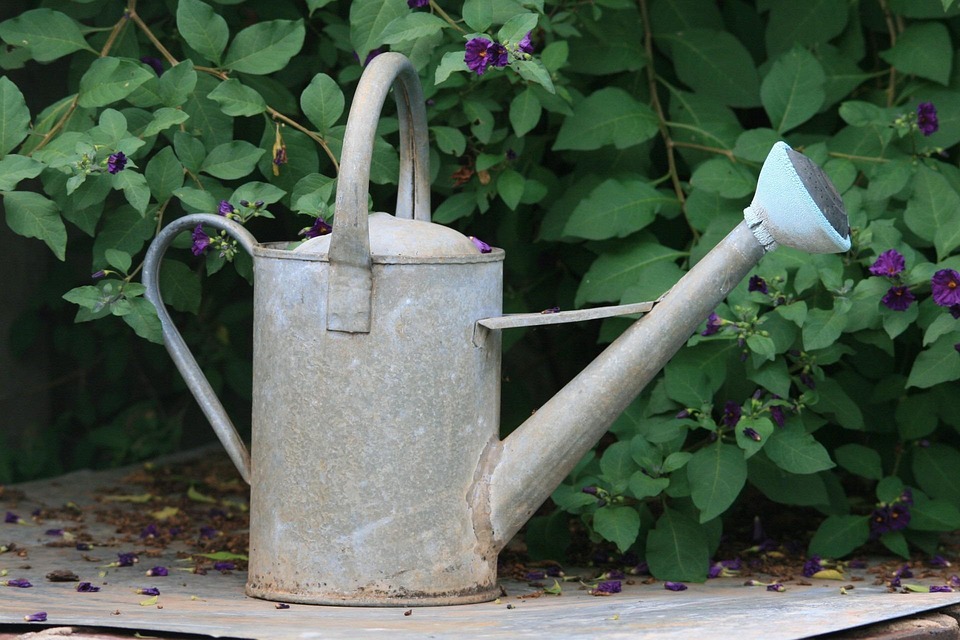
Watering cans are indispensable for targeted watering, especially for potted plants and delicate seedlings. They are available in various designs and materials, such as metal, plastic, and ceramic. Metal cans are durable but can be heavy, while plastic ones are lightweight and easy to handle.
Spout Design
The design of the spout is a crucial aspect to consider. A long, narrow spout ensures precision, making it easy to water the base of plants without wetting the foliage, thus minimizing the risk of fungal diseases.
3. Sprinklers
Types of Sprinklers
Sprinklers are ideal for covering large areas and are available in different types:
- Oscillating Sprinklers: Move back and forth, providing even coverage, suitable for rectangular lawns.
- Rotary Sprinklers: Spin in a circular motion, best for round or irregularly shaped gardens.
- Drip Systems: Deliver water directly to the plant roots via a network of tubes, conserving water and reducing evaporation.
Installation and Maintenance
When installing sprinklers, ensure they are placed in a way that maximizes coverage without wasting water. Regular maintenance, such as cleaning nozzles and checking for leaks, will keep your sprinkler system running efficiently.
4. Drip Irrigation Systems
Benefits of Drip Irrigation
Drip irrigation systems are a more advanced option for water-conscious gardeners. They deliver water directly to the plant roots through a network of tubes and emitters. This method reduces water wastage and is highly efficient for gardens with a variety of plant types.
Customizing Your Drip System
Drip systems can be customized to suit the specific needs of your garden. Consider factors such as the type of plants, soil type, and climate. Proper installation and regular maintenance ensure optimal performance and longevity.
5. Rain Barrels
Benefits of Using Rain Barrels
Rain barrels are a sustainable option for collecting and utilizing rainwater for your garden. By harvesting rainwater, you reduce dependency on municipal water supplies and save on water bills. Additionally, rainwater is free from chemicals typically found in tap water, making it ideal for plants.
Setting Up a Rain Barrel
Installing a rain barrel is relatively simple. Position it beneath a downspout to collect runoff from your roof. Ensure it has a secure lid to prevent debris and insects from entering. Use a hose or watering can to distribute the collected water to your garden.
6. Water Wands
Features and Advantages
Water wands are long-handled tools with a nozzle at the end, designed to extend your reach and provide gentle watering. They are perfect for hanging baskets, deep garden beds, and areas that are difficult to reach with a regular hose. Their gentle spray minimizes soil disruption and prevents plant damage.
Choosing the Right Water Wand
When selecting a water wand, consider the length, weight, and adjustability of the spray pattern. A lightweight wand with a comfortable grip and adjustable nozzle will make watering tasks more manageable and enjoyable.
7. Automatic Timers
Convenience and Efficiency
Automatic timers are a game-changer for gardeners who want to ensure their plants receive consistent watering without manual intervention. These devices can be programmed to control sprinklers or drip systems, allowing for precise scheduling and reducing water wastage.
Setting Up an Automatic Timer
Installing an automatic timer involves connecting it to your water source and programming the desired watering schedule. Consider factors such as plant types, weather conditions, and soil moisture levels when setting up your timer to optimize watering efficiency.
Conclusion
Investing in the right watering tools is paramount to maintaining a vibrant and healthy garden. From basic garden hoses and watering cans to advanced drip irrigation systems and automatic timers, each tool offers unique benefits that cater to different gardening needs. By choosing the appropriate tools and employing efficient watering techniques, you can achieve lush greenery and create a thriving oasis in your backyard.
Remember, the key to successful gardening lies not only in the tools you choose but also in understanding the specific needs of your plants and adapting your watering strategies accordingly. With the right combination of tools and techniques, your garden will flourish, providing beauty and tranquility for years to come.
#ChatGPT assisted in the creation of this article.


