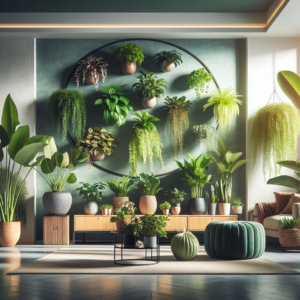
Growing plants can be a rewarding experience, but it often comes with its own set of challenges. Whether you’re an experienced gardener or a new plant parent, you might encounter a variety of issues while taking care of your green friends. This article aims to unveil the most common plant problems and provide practical solutions to help you maintain a thriving garden.
Poor Light Conditions
One of the most frequent issues with houseplants is incorrect lighting. Plants require the right amount of light to photosynthesize, grow, and stay healthy. Too little light can cause leggy growth, pale leaves, and slow development, while too much light can scorch leaves and stunt growth.
Solutions:
- Identify the Plant’s Light Requirement: Research your plant’s specific lighting needs. Some plants thrive in bright, indirect light, while others prefer low-light conditions.
- Adjust Placement: Move your plant closer to or farther from a window based on its needs. Consider using sheer curtains to filter sunlight.
- Use Artificial Light: In areas with limited natural light, consider using grow lights to supplement your plants’ lighting needs.
Overwatering
Overwatering is a common mistake that can lead to root rot, fungus, and even plant death. It’s important to understand that different plants have varying water requirements and that factors like pot size, soil type, and environmental conditions can affect watering needs.
Solutions:
- Check Soil Moisture: Use a moisture meter or simply stick your finger into the soil to check for moisture before watering.
- Choose the Right Pot and Soil: Ensure your pots have drainage holes and use well-draining soil to prevent water logging.
- Establish a Watering Routine: Instead of watering on a schedule, water based on the plant’s specific needs and environmental conditions.
Underwatering
On the flip side, underwatering can lead to dry, wilting, and crispy leaves. This often happens when plants are neglected or placed in arid environments.
Solutions:
- Regular Checks: Regularly check the soil moisture and water when the top inch feels dry.
- Consistent Watering Schedule: Create a consistent watering schedule that matches the plant’s needs and adjust according to seasonal changes.
- Humidity Trays: For plants that prefer higher humidity, place a tray of water near your plant or use a humidifier.
Pest Infestations
Pests like aphids, spider mites, and fungus gnats can wreak havoc on plants by feeding on their sap and spreading diseases. Early detection and treatment are key to managing pest infestations.
Solutions:
- Regular Inspection: Regularly inspect the leaves, stems, and soil for signs of pests.
- Natural Predators: Introduce natural predators like ladybugs or use neem oil as a natural pesticide.
- Mechanical Removal: For larger pests, remove them manually or use a strong stream of water to dislodge them.
Nutrient Deficiencies
Plants require a variety of nutrients to grow healthily. Deficiencies in essential nutrients like nitrogen, phosphorus, and potassium can lead to stunted growth, discoloration, and poor yields.
Solutions:
- Identify Deficiency Symptoms: Learn the symptoms of common nutrient deficiencies, such as yellowing leaves for nitrogen deficiency.
- Use Balanced Fertilizers: Apply a balanced, slow-release fertilizer according to the plant’s needs.
- Organic Matter: Enrich the soil with organic matter like compost to improve nutrient availability.
Temperature Stress
Extreme temperatures, whether too hot or too cold, can cause stress to plants, leading to wilting, leaf drop, or even death.
Solutions:
- Maintain Consistent Temperature: Keep plants away from drafts, heaters, or air conditioners to maintain a stable environment.
- Acclimate Gradually: When moving plants indoors or outdoors, do so gradually to allow them to acclimate to temperature changes.
- Use Mulch: For outdoor plants, use mulch to regulate soil temperature and retain moisture.
Improper Pruning
Pruning is essential for encouraging healthy growth and maintaining a plant’s shape. However, improper pruning can damage the plant and inhibit growth.
Solutions:
- Learn Proper Techniques: Research proper pruning techniques for your specific plants.
- Use Clean Tools: Always use clean and sharp pruning tools to prevent the spread of diseases.
- Prune at the Right Time: Prune at the appropriate time of year for each plant species to maximize growth and flowering potential.
Root Bound Plants
When a plant outgrows its pot, it becomes root bound, with roots circling the pot and becoming tangled. This can restrict growth and reduce nutrient uptake.
Solutions:
- Repot Regularly: Repot plants every 1-2 years or when you notice roots growing out of the drainage holes.
- Choose the Right Pot Size: Select a pot that is 1-2 sizes larger than the current pot to give the roots room to grow.
- Loosen the Roots: Gently loosen and trim any tangled roots before repotting to encourage healthy growth.
Conclusion
Plant care involves understanding and addressing various problems that can arise. Whether it’s adjusting light conditions, managing watering, or dealing with pests, being informed about common plant issues and their solutions can ensure your plants thrive. Remember, each plant is unique, and the key to successful plant care is observation, patience, and a willingness to adapt to your plant’s needs.
#ChatGPT assisted in the creation of this article.