
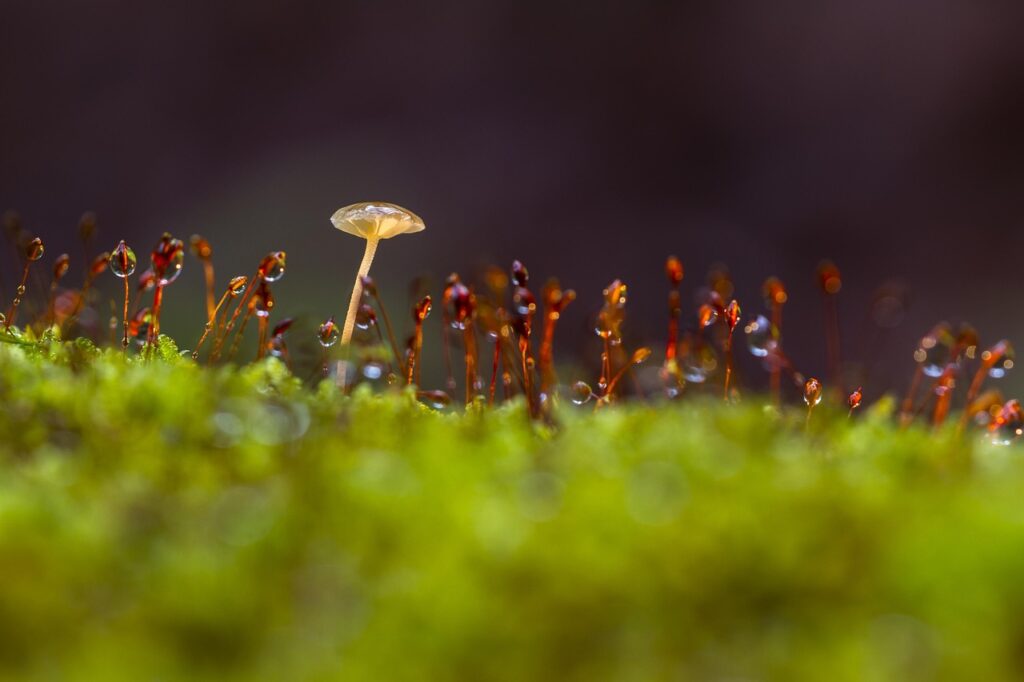
Gardening can be an incredibly rewarding hobby, offering not only the joy of watching your plants grow but also the satisfaction of creating a beautiful and sustainable space. For beginners, the world of gardening may seem daunting. However, with a little planning and patience, anyone can cultivate a thriving garden. This guide will take you through the essential steps to start your gardening journey.
Choosing the Right Location
Understanding Your Space
The first step to any successful garden is choosing the right location. Whether you have a sprawling backyard or a small balcony, understanding your space is crucial. Consider the amount of sunlight your garden will receive, the type of soil available, and how much space you have for your plants.
Assessing Sunlight
Most plants require at least six hours of sunlight per day. Observe your chosen location throughout the day to determine how much sunlight it receives. Note if there are any shadows from trees, buildings, or other structures that may affect your plants’ growth.
Soil Quality
Soil quality is fundamental to plant health. Test your soil to determine its pH level and check for any nutrient deficiencies. You can improve poor soil by adding organic matter like compost or well-rotted manure, which enhances its structure and fertility.
Planning Your Garden
Defining Your Goals
Before planting, define what you want to achieve with your garden. Are you looking to grow vegetables, create a flower garden, or attract pollinators? Your goals will influence the types of plants you choose and how you arrange your garden.
Choosing Your Plants
Select plants that are suitable for your climate and soil conditions. For beginners, it’s often best to start with easy-to-grow plants such as tomatoes, basil, marigolds, or sunflowers. Research each plant’s growing requirements, including sunlight, water needs, and spacing.
Designing Your Layout
Sketch a simple layout for your garden. Consider the mature size of each plant and ensure there is enough space between them to allow for growth. Group plants with similar water and sunlight needs together to make care easier.
Preparing the Site
Clearing the Area
Clear your chosen site of weeds, rocks, and debris. This will give your plants the best start and reduce competition for nutrients.
Improving the Soil
If your soil needs improvement, work in organic matter like compost to enhance its texture and fertility. For heavy clay soils, adding sand or gypsum can improve drainage and texture.
Creating Raised Beds
If your soil is particularly poor or you want to define your garden space, consider creating raised beds. These not only improve soil conditions but also make planting and harvesting easier.
Planting Your Garden
When to Plant
Timing is critical when planting your garden. Consult local planting calendars to determine the best time to plant each type of seed or seedling. Planting at the right time ensures your plants have the best chance of thriving.
Planting Techniques
Follow the instructions on seed packets or plant labels for specific planting depths and spacing. Water newly planted seeds or seedlings gently to avoid washing them away.
Transplanting Seedlings
If you start with seedlings, harden them off by gradually exposing them to outdoor conditions over a week. This process helps them adapt to the environment and reduces transplant shock.
Caring for Your Garden
Watering
Consistent watering is crucial for plant health. Water your plants deeply and less frequently to encourage deep root growth. The best time to water is early in the morning or late in the afternoon to reduce evaporation.
Mulching
Mulching helps retain soil moisture, suppress weeds, and regulate soil temperature. Apply a layer of organic mulch, such as straw or wood chips, around your plants, taking care not to smother stems.
Fertilizing
Feed your plants with a balanced fertilizer according to their specific needs. Over-fertilizing can harm plants, so follow recommended guidelines. Organic options like compost tea or fish emulsion are great choices for beginners.
Dealing with Pests and Diseases
Identifying Common Pests
Regularly inspect your plants for signs of pests like aphids, caterpillars, or slugs. Early detection allows you to take action before infestations become severe.
Natural Pest Control
Encourage beneficial insects like ladybugs and predatory wasps to control pest populations naturally. Companion planting, which involves growing certain plants together, can also deter pests.
Managing Diseases
Disease prevention starts with good garden hygiene. Remove any diseased plants promptly and avoid overhead watering to reduce the spread of fungal diseases. Rotate crops annually to prevent soil-borne diseases.
Harvesting and Enjoying the Fruits of Your Labor
Knowing When to Harvest
Harvesting at the right time ensures the best flavor and quality. Familiarize yourself with the signs of ripeness for each plant you grow. For example, tomatoes should be fully colored, and zucchini should be firm and medium-sized.
Preserving Your Harvest
If you have a bountiful harvest, consider preserving your produce through canning, freezing, or drying. This allows you to enjoy garden-fresh flavors year-round.
Sharing and Celebrating
Share your surplus produce with family, friends, or neighbors. You might also consider participating in a local farmers’ market or community garden swap.
Conclusion
Gardening is a journey of learning and discovery. As a beginner, embrace the challenges and successes that come with nurturing your garden. With time, patience, and effort, you’ll enjoy the bounty of a thriving garden. Remember, each season brings new opportunities to learn and grow. Happy gardening!
#ChatGPT assisted in the creation of this article.


