
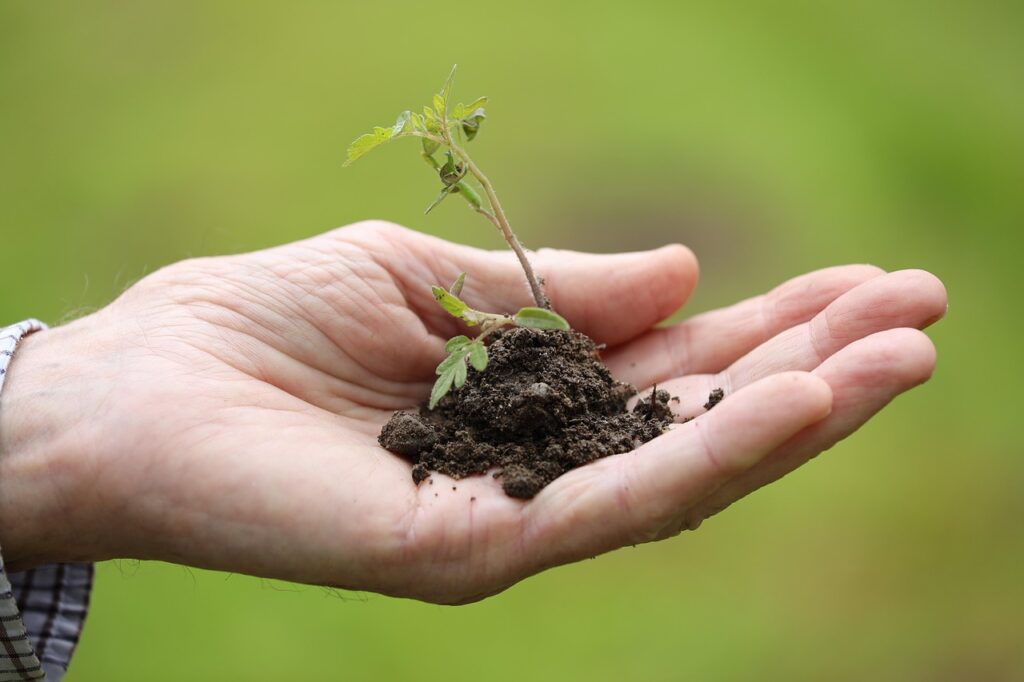
Gardening is a fulfilling activity that not only beautifies your environment but also offers a sense of accomplishment and tranquility. For beginners with limited outdoor space, creating a garden might seem daunting. However, with careful planning and the right approach, a small garden can flourish and provide fresh produce, flowers, and herbs. This guide will help you design the perfect beginner garden layout for small spaces, ensuring that you make the most of every inch available.
Understanding Your Space
Before you start planning your garden, it’s essential to assess the available space. Whether you have a small patio, balcony, or a tiny backyard, understanding the dimensions and conditions of your space is the first step. Consider the following factors:
- Sunlight: Observe how much sunlight your space receives throughout the day. This will influence the types of plants you can grow. Most vegetables and flowers need at least 6-8 hours of sunlight daily.
- Wind Exposure: Check if your space is too windy, as strong winds can damage plants and dry out soil quickly.
- Soil Quality: If planting directly in the ground, test the soil to understand its composition and fertility. For containers, select quality potting soil.
- Water Access: Ensure you have a convenient water source nearby, as regular watering is crucial for plant health.
Choosing the Right Plants
Once you have a clear understanding of your space, it’s time to choose the right plants. Focus on varieties that thrive in small spaces and are easy to grow for beginners. Consider the following plant categories:
- Herbs: Herbs like basil, parsley, cilantro, and mint are perfect for small spaces as they can be grown in pots or window boxes. They also have the added benefit of being useful in the kitchen.
- Vegetables: Opt for compact or dwarf varieties of vegetables like cherry tomatoes, peppers, lettuce, and radishes. These plants are well-suited for container gardening.
- Flowers: Choose flowers that add color and attract pollinators. Marigolds, petunias, and geraniums are easy to grow and thrive in small garden settings.
Designing Your Layout
With your plant selection in mind, it’s time to design the layout of your garden. Here are some layout ideas and tips to maximize your small space:
Vertical Gardening
Vertical gardening is an excellent technique for small spaces as it utilizes vertical surfaces to grow plants. Consider these options:
- Trellises and Arbors: Use trellises for climbing plants like peas and cucumbers. Arbors can also provide support for flowering vines.
- Wall Planters: Attach wall-mounted planters or pockets to a fence or wall to grow herbs and small flowers.
- Hanging Baskets: Hang baskets filled with trailing plants like strawberries or ivy, adding both beauty and functionality.
Container Gardening
Containers are versatile and can be arranged to fit any space. Consider using:
- Pots of Various Sizes: Group pots of different sizes together for visual interest and to accommodate different plant types.
- Raised Beds: If you have a small patch of ground, build a raised bed to improve drainage and soil quality.
- Repurposed Items: Use old buckets, crates, or even shoes as unique containers. Just ensure they have drainage holes.
Companion Planting
Companion planting involves growing plants that benefit each other when planted together. This method can help maximize space and improve plant health. Some examples include:
- Tomatoes and Basil: Basil can enhance the flavor of tomatoes and repel pests.
- Carrots and Radishes: Radishes can help loosen the soil for carrots, allowing them to grow better.
- Marigolds and Vegetables: Marigolds can deter nematodes and other pests, protecting your vegetables.
Maintaining Your Garden
Once your garden is set up, regular maintenance is key to keeping it healthy and productive. Here are some basic maintenance tips:
- Watering: Water plants deeply but less frequently to encourage root growth. Containers may need more frequent watering due to quicker drying.
- Fertilizing: Use a balanced fertilizer to provide essential nutrients. Follow package instructions to avoid over-fertilizing.
- Pruning: Regularly prune dead or diseased leaves and branches to promote healthy growth.
- Pest Control: Monitor for pests and use natural remedies like neem oil or insecticidal soap to manage infestations.
Final Thoughts
Creating a beginner garden layout in a small space is a rewarding challenge that requires creativity and thoughtful planning. By understanding your garden’s unique conditions, selecting suitable plants, and utilizing space-saving techniques, you can transform even the tiniest area into a thriving garden. Remember, gardening is a learning process, so don’t be afraid to experiment and make adjustments as you discover what works best for your space. Happy gardening!
#ChatGPT assisted in the creation of this article.


