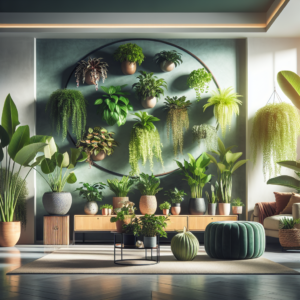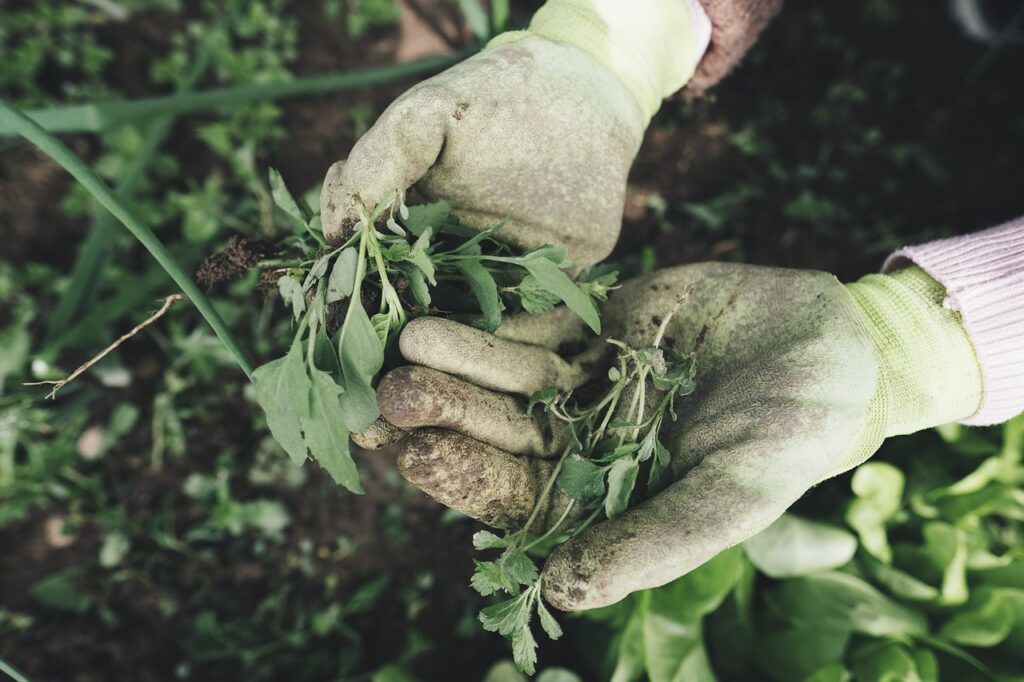
Having a home filled with lush, thriving plants not only enhances your living space aesthetically but also improves air quality and can even boost your mood. However, keeping plants healthy requires more than just placing them in a pot and watering them occasionally. Mastering the art of plant care involves understanding the specific needs of each plant species and providing them with the right conditions to flourish. In this article, we will delve into essential tips for maintaining vibrant and healthy plants, ensuring your green companions thrive for years to come.
Understanding Your Plant’s Needs
Identifying Your Plant Species
The first step in effective plant care is identifying the type of plant you have. Different species have unique requirements regarding light, water, soil, and nutrients. Research your plant to understand its natural habitat and mimic those conditions as closely as possible in your home.
Light Requirements
Light is a critical factor in plant health. Some plants thrive in bright, direct sunlight, while others prefer low-light conditions. Observe the light in your home at different times of the day and place your plants accordingly. If natural light is insufficient, consider using grow lights to supplement their needs.
Watering Wisely
Understanding Water Needs
Overwatering is a common mistake that leads to root rot and plant death. Understand the water requirements of your plants. Some prefer consistently moist soil, while others need the soil to dry out between waterings. Check the soil moisture by sticking your finger about an inch into the soil; if it feels dry, it’s time to water.
Water Quality
The quality of water you use can affect your plants’ health. Tap water may contain chlorine and other chemicals that can harm sensitive plants. If possible, use filtered or distilled water, or let tap water sit out for 24 hours to allow chemicals to evaporate before using it on your plants.
Soil and Nutrients
Choosing the Right Soil
The type of soil you use is crucial for plant health. Different plants require different soil types; for instance, succulents need well-draining soil, while ferns prefer rich, organic matter. Choose a soil mix that suits your plant’s needs to promote healthy root development.
Fertilizing Your Plants
Plants need nutrients to grow, and while soil provides some, additional fertilization is often necessary. Use a balanced, water-soluble fertilizer during the growing season, which is typically spring and summer. Be cautious not to over-fertilize, as this can lead to nutrient burn and damage your plants.
Environmental Factors
Temperature and Humidity
Most houseplants are tropical and thrive in warm temperatures and high humidity. Keep your plants away from drafts, heaters, and air conditioners. To increase humidity, mist your plants regularly or place a humidifier nearby. Grouping plants together can also create a microenvironment with higher humidity.
Air Circulation
Good air circulation prevents diseases and encourages healthy growth. Ensure your plants are not crowded together, and consider using fans to gently circulate air around them. This is especially important for preventing mold and mildew in humid environments.
Pruning and Maintenance
Regular Pruning
Pruning helps maintain plant shape, encourages new growth, and removes dead or diseased parts. Use clean, sharp scissors or pruning shears to cut back overgrown areas and remove yellowing or brown leaves. Regular pruning can also enhance airflow and light penetration.
Pest Control
Inspect your plants regularly for signs of pests such as aphids, spider mites, and mealybugs. At the first sign of infestation, isolate the affected plant and treat it with natural remedies like neem oil or insecticidal soap. Maintaining healthy plants through proper care can also reduce pest problems.
Repotting and Propagation
When to Repot
As plants grow, they may outgrow their pots and require repotting. Signs that your plant needs repotting include roots growing out of the drainage holes, slow growth, or water sitting on top of the soil. Choose a pot that is one size larger and refresh the soil during the repotting process.
Propagation Techniques
Propagation is a rewarding part of plant care, allowing you to expand your collection. Common methods include stem cuttings, leaf cuttings, and division. Research the best propagation method for your plant species and ensure you provide the right conditions for new plants to establish roots.
Specialty Plant Care
Succulents and Cacti
Succulents and cacti are popular for their unique appearance and low maintenance needs. They require bright, direct sunlight and well-draining soil. Water them sparingly, allowing the soil to dry out completely between waterings, as they are prone to rot if kept too moist.
Ferns and Tropical Plants
Tropical plants, including ferns, thrive in high humidity and indirect light. They require consistently moist soil but should not sit in water. Regularly misting and ensuring proper drainage are keys to their health. These plants benefit from regular feeding during the growing season.
Conclusion
Mastering plant care involves understanding and meeting your plants’ unique needs, from light and water to soil and nutrients. By paying attention to environmental factors and practicing regular maintenance, you can create an ideal setting for your plants to thrive. With dedication and a bit of practice, you can enjoy a home filled with healthy, vibrant greenery that not only beautifies your space but also enriches your life.
#ChatGPT assisted in the creation of this article.