
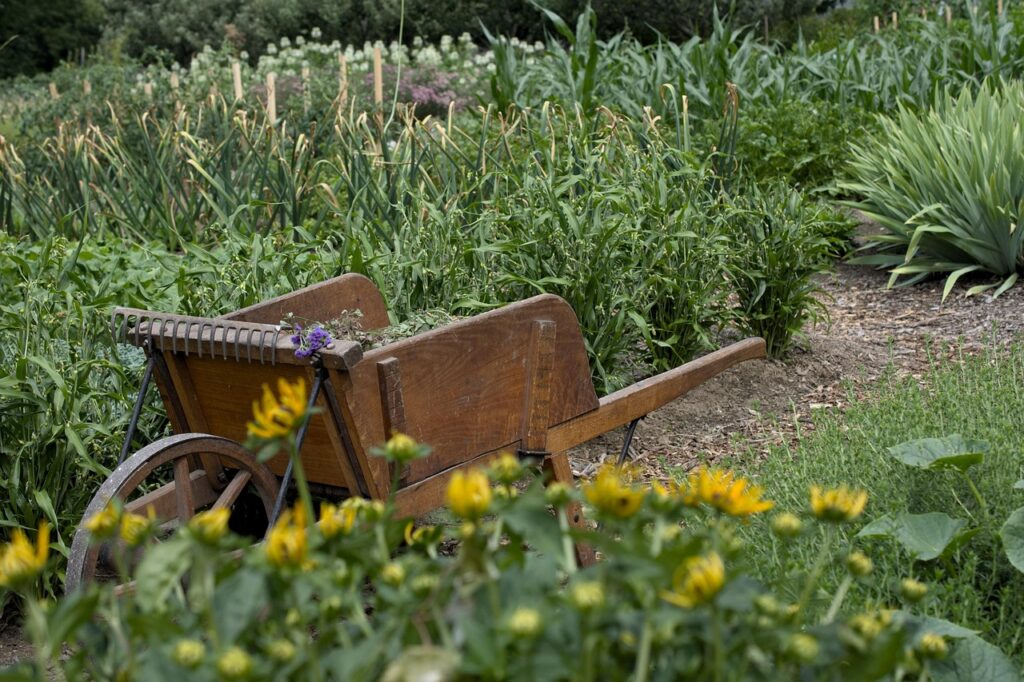
Home vegetable gardening is a rewarding endeavor that brings fresh produce to your table, reduces grocery bills, and offers a sense of accomplishment. Whether you’re a novice or an experienced gardener, mastering the art of vegetable gardening requires some planning, patience, and passion. This article provides you with essential tips and techniques to ensure a bountiful harvest from your home vegetable garden.
Planning Your Vegetable Garden
Choosing the Right Location
The success of your vegetable garden largely depends on its location. Most vegetables require at least six to eight hours of direct sunlight daily. Choose a spot that is well-drained and has good soil. Avoid areas with excessive shade or where water tends to pool after heavy rains.
Deciding What to Grow
Consider your family’s preferences and the climate of your region when deciding what to plant. Start with easy-to-grow vegetables like tomatoes, peppers, and lettuce if you’re a beginner. Make sure to rotate crops each year to improve soil health and reduce pest problems.
Creating a Garden Plan
Create a layout of your garden bed to maximize space and ensure adequate growth conditions. Consider companion planting, which involves growing plants that can benefit each other, such as tomatoes with basil or carrots with onions.
Preparing the Soil
Testing and Amending the Soil
Conduct a soil test to determine its pH and nutrient content. Most vegetables thrive in slightly acidic to neutral soil (pH 6.0 to 7.0). Amend the soil with organic matter such as compost or well-rotted manure to improve its structure and fertility.
Tilling and Mulching
Till the soil to a depth of at least 12 inches to break up compacted soil and incorporate organic matter. Apply a layer of mulch after planting to retain moisture, suppress weeds, and regulate soil temperature.
Planting Your Vegetables
Direct Seeding vs. Transplanting
Some vegetables like carrots and radishes are best sown directly into the soil, while others like tomatoes and peppers benefit from being started indoors and then transplanted. Follow seed packet instructions for specific planting depths and spacing.
Timing is Key
Plant your vegetables according to your region’s climate and the season. For example, cool-season crops like lettuce and peas should be planted in early spring or late summer, while warm-season crops like corn and beans thrive in late spring and early summer.
Watering and Fertilizing
Establishing a Watering Routine
Consistent watering is crucial for healthy vegetable growth. Water deeply but infrequently to encourage deep root development. Use a soaker hose or drip irrigation system to minimize evaporation and ensure even moisture distribution.
Feeding Your Plants
Fertilize your vegetables with a balanced organic fertilizer or compost tea. Avoid over-fertilizing, which can lead to lush foliage but poor fruit production. Follow the recommended feeding schedule for each type of vegetable.
Pest and Disease Management
Identifying Common Pests and Diseases
Regularly inspect your plants for signs of pests like aphids, slugs, and caterpillars, as well as diseases like blight and powdery mildew. Early detection and intervention are key to preventing significant damage.
Implementing Integrated Pest Management (IPM)
Use IPM techniques to minimize pest damage. This includes cultural practices like crop rotation, mechanical controls like hand-picking pests, and biological controls like introducing beneficial insects. Chemical controls should be a last resort.
Harvesting Your Vegetables
Knowing When to Harvest
Harvesting vegetables at the right time ensures peak flavor and nutrition. For example, pick tomatoes when they are fully colored but still firm, and harvest leafy greens like spinach when the leaves are tender and before they bolt.
Storing and Preserving Your Harvest
Once harvested, store vegetables properly to extend their shelf life. Some vegetables can be frozen, canned, or dried for long-term storage. Sharing your bounty with friends and family is also a great way to enjoy your harvest.
Conclusion
Mastering home vegetable gardening involves understanding the intricacies of planning, planting, and maintaining a productive garden. By following these tips, you can enjoy the journey of growing your own food and savoring the fruits of your labor. Remember, gardening is a continual learning process, so don’t be afraid to experiment and adapt as you grow along with your garden.
#ChatGPT assisted in the creation of this article.


