
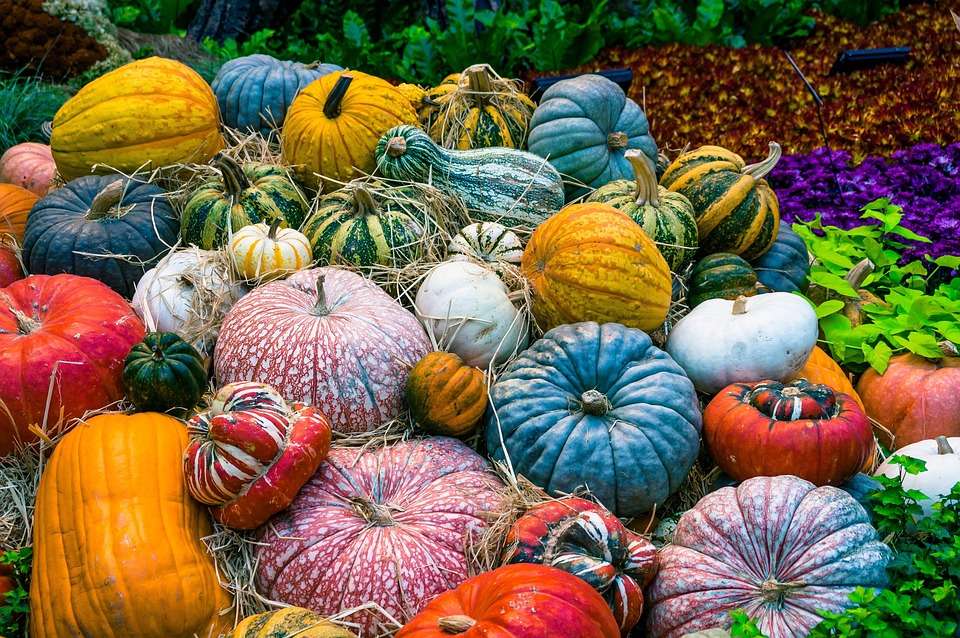
Backyard vegetable gardening is not only a rewarding hobby but also a sustainable way to enjoy fresh and organic produce right from your home. Whether you’re a novice gardener or have some experience, mastering the art of vegetable gardening requires a blend of knowledge, planning, and hands-on practice. In this comprehensive guide, we will explore essential tips and techniques to help you succeed in your backyard vegetable gardening endeavors.
Planning Your Garden
Choosing the Right Location
The success of your vegetable garden begins with selecting the ideal location. Most vegetables require at least 6-8 hours of direct sunlight daily. Look for a spot in your backyard that receives ample sunlight and is sheltered from strong winds. Ensure the area has good drainage to prevent waterlogging, which can harm plant roots.
Deciding on Garden Layout
Once you’ve chosen a location, consider the layout of your garden. You can opt for traditional rows, raised beds, or container gardening, depending on space availability and personal preference. Raised beds offer better drainage and can be easier to manage, while containers are ideal for limited spaces.
Selecting Vegetables
Choose vegetables that align with your climate, soil type, and personal taste. Some popular choices for beginners include tomatoes, lettuce, radishes, and carrots. Consider interplanting vegetables with different growth habits to maximize space and reduce pest issues. Companion planting, where certain plants benefit others when grown together, can also enhance growth and deter pests.
Preparing the Soil
Testing and Amending Soil
Healthy soil is the foundation of a thriving vegetable garden. Conduct a soil test to determine its pH and nutrient levels. Most vegetables thrive in slightly acidic to neutral soil (pH 6.0-7.0). Based on the results, amend your soil with organic matter such as compost or well-rotted manure to improve its fertility and structure.
Tilling and Mulching
Tilling helps aerate the soil and incorporate organic matter. However, over-tilling can disrupt soil structure and harm beneficial organisms. Mulching with organic materials like straw or wood chips conserves moisture, suppresses weeds, and adds nutrients as it decomposes.
Planting Techniques
Seed Starting
Starting vegetables from seeds can be cost-effective and rewarding. Begin seeds indoors 6-8 weeks before the last frost date for your area. Use seed trays filled with a high-quality seed-starting mix, and provide adequate light and warmth for germination. Once seedlings develop true leaves, harden them off by gradually exposing them to outdoor conditions before transplanting.
Direct Sowing
Some vegetables, such as beans and carrots, are best sown directly into the garden. Follow seed packet instructions for spacing and planting depth. Keep the soil consistently moist during germination and thin seedlings as needed to prevent overcrowding.
Watering and Irrigation
Establishing a Watering Routine
Consistent watering is crucial for healthy plant growth. Vegetables generally require about 1 inch of water per week, either from rainfall or irrigation. Water deeply and infrequently to encourage deep root growth. Early morning is the best time to water to reduce evaporation and fungal diseases.
Implementing Efficient Irrigation Systems
Consider installing drip irrigation or soaker hoses to deliver water directly to the root zone. These systems are efficient, minimize water wastage, and reduce the risk of foliar diseases. Mulching also helps retain soil moisture, reducing the need for frequent watering.
Pest and Disease Management
Identifying Common Pests
Common garden pests include aphids, slugs, caterpillars, and beetles. Regularly inspect your plants for signs of pest damage and identify the culprits. Encourage beneficial insects like ladybugs and lacewings, which prey on harmful pests, by planting flowers that attract them.
Adopting Organic Control Methods
Implement organic pest control methods such as handpicking, using insecticidal soap, or introducing natural predators. Crop rotation and maintaining garden hygiene help prevent the buildup of pests and diseases. Avoid using chemical pesticides, as they can harm beneficial insects and disrupt the ecosystem.
Harvesting and Maintenance
Knowing When to Harvest
Harvesting vegetables at the right time ensures peak flavor and nutrition. Familiarize yourself with the maturity indicators of each vegetable. For instance, tomatoes should be fully colored but still firm, while cucumbers are best picked when they are dark green and slightly firm.
Regular Maintenance Tasks
Consistent maintenance is key to a productive garden. Regularly weed your garden to reduce competition for nutrients and water. Prune plants to improve air circulation, which can prevent diseases. Keep an eye out for nutrient deficiencies and address them promptly with appropriate fertilizers.
Embracing Sustainability
Composting and Recycling
Composting kitchen scraps and garden waste creates nutrient-rich compost that enhances soil fertility. Set up a compost bin in your backyard and recycle organic materials to reduce waste and improve your garden’s health.
Saving Seeds
Seed saving is an excellent way to preserve heirloom varieties and reduce gardening costs. Allow some plants to mature fully and collect seeds from the healthiest specimens. Store seeds in a cool, dry place for the next planting season.
Conclusion
Mastering backyard vegetable gardening is a journey that combines knowledge, patience, and a love for nature. By planning your garden thoughtfully, nurturing healthy soil, and implementing sustainable practices, you can enjoy a bountiful harvest of fresh vegetables. Whether you’re a beginner or an experienced gardener, these tips will guide you toward success in your backyard vegetable garden. Happy gardening!
#ChatGPT assisted in the creation of this article.


