
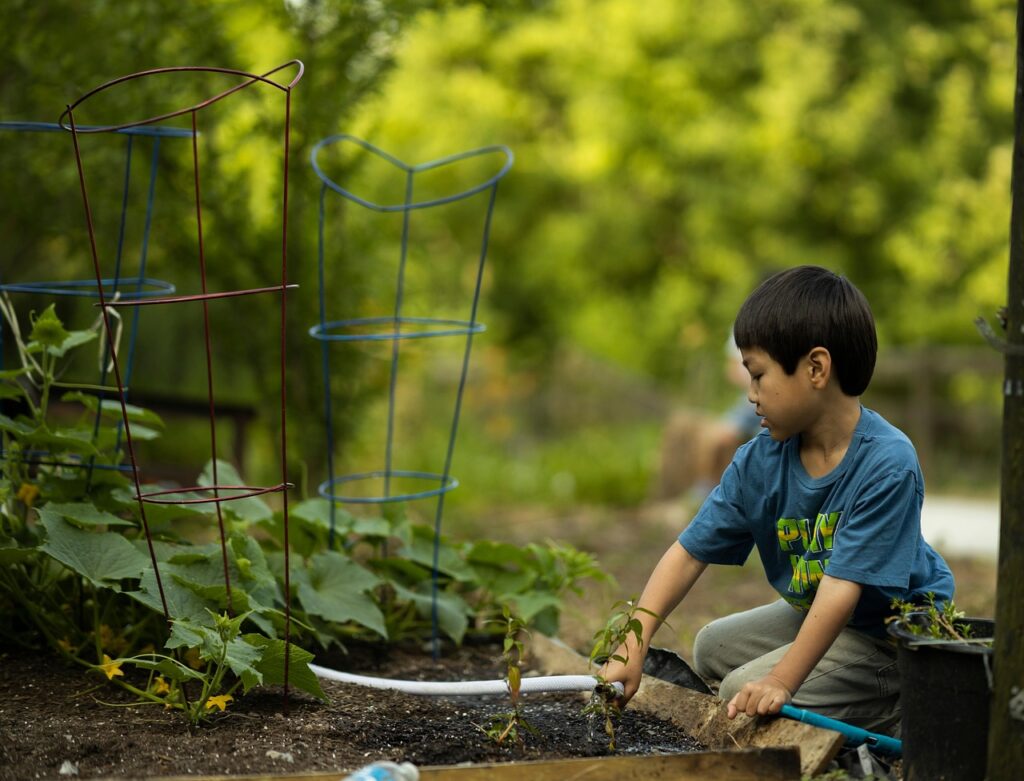
Gardening is a timeless practice that brings us closer to nature and provides a rewarding experience of growing our own food. To achieve year-round success in vegetable gardening, planning and organizing activities according to the seasons is crucial. This guide will walk you through a month-by-month vegetable gardening calendar, ensuring you can enjoy fresh produce throughout the year.
January: Planning and Preparation
January is the perfect time to plan your vegetable garden. Assess your garden’s layout, taking note of sunlight, water sources, and space available. Decide which vegetables you want to grow based on your climate and personal preferences. Order seeds and supplies early to ensure you have everything ready for the upcoming planting season.
Tasks for January
- Review seed catalogs and order seeds.
- Clean and organize your gardening tools.
- Plan your garden layout, considering crop rotation and companion planting.
- Start a garden journal to track your progress throughout the year.
February: Starting Seeds Indoors
As the last month of winter, February is an ideal time to start seeds indoors for cool-season crops like lettuce, broccoli, and cauliflower. This head start will ensure your plants are ready for transplanting when the weather warms up.
Tasks for February
- Set up a seed-starting station with adequate lighting and temperature control.
- Sow seeds for cool-season vegetables indoors.
- Monitor seedling growth and provide water and nutrients as needed.
- Prepare garden beds by clearing debris and adding compost.
March: Preparing the Garden
With the arrival of spring, it’s time to prepare your garden for planting. Focus on improving soil quality and ensuring garden beds are ready for transplanting seedlings.
Tasks for March
- Test soil pH and amend the soil as needed.
- Incorporate organic matter, such as compost or well-rotted manure, into garden beds.
- Harden off seedlings by gradually exposing them to outdoor conditions.
- Direct-sow seeds for hardy vegetables like peas, spinach, and radishes.
April: Planting and Transplanting
April is the month to start planting warm-season crops outdoors. The risk of frost diminishes, making it safe to transplant seedlings and sow seeds directly into the soil.
Tasks for April
- Transplant cool-season seedlings into the garden.
- Direct-sow seeds for warm-season vegetables like carrots, beans, and beets.
- Install trellises and supports for climbing plants.
- Mulch garden beds to conserve moisture and suppress weeds.
May: Nurturing and Protecting
In May, your focus should shift to nurturing young plants and protecting them from pests and diseases. Consistent care during this month sets the foundation for a healthy and productive garden.
Tasks for May
- Water plants regularly, ensuring they receive at least an inch of water each week.
- Monitor for pests and apply organic pest control measures as needed.
- Fertilize plants with a balanced organic fertilizer.
- Thin seedlings to prevent overcrowding and promote healthy growth.
June: Maintenance and Harvesting
As your garden begins to flourish, June is all about maintaining plant health and starting to harvest early crops. Stay vigilant to ensure your plants have everything they need to thrive.
Tasks for June
- Continue regular watering and weeding.
- Harvest early crops like lettuce, spinach, and radishes.
- Prune tomato and other fruiting plants for better air circulation.
- Monitor for signs of disease and take corrective action promptly.
July: Summer Bounty
July is the peak of the growing season, and your garden should be bursting with produce. Focus on harvesting regularly and keeping plants healthy to maximize your summer yield.
Tasks for July
- Harvest crops frequently to encourage continued production.
- Water deeply during dry spells to prevent stress on plants.
- Check for pests like aphids and caterpillars, and address any infestations.
- Plan for fall planting by starting seeds for autumn crops.
August: Sustaining and Planning
As summer winds down, continue to sustain your garden by providing consistent care. Begin planning for the fall season by preparing beds for cool-weather crops.
Tasks for August
- Harvest summer crops and preserve excess produce through canning or freezing.
- Start seeds for fall crops like kale, broccoli, and cabbage indoors.
- Amend soil with compost to replenish nutrients.
- Remove spent plants and clear debris to prevent disease.
September: Transition to Fall
September marks the transition from summer to fall. Continue harvesting, but also focus on planting and nurturing fall crops to ensure a bountiful harvest before winter sets in.
Tasks for September
- Plant fall crops outdoors, such as carrots, beets, and lettuce.
- Continue harvesting late-summer vegetables.
- Protect plants from early frost with row covers or cold frames.
- Begin cleaning up the garden to prepare for winter.
October: Harvest and Clean-Up
October is the time to finish harvesting and prepare your garden for the winter months. Proper clean-up and soil preparation now will benefit your garden in the next growing season.
Tasks for October
- Complete the harvest of remaining vegetables.
- Remove dead plants and debris from garden beds.
- Mulch beds to protect the soil over winter.
- Plant cover crops to enrich the soil and prevent erosion.
November: Reflection and Rest
With most of the garden work done, November is a time for reflection and rest. Review your gardening successes and challenges, and start planning for the next year.
Tasks for November
- Reflect on the past growing season in your garden journal.
- Make notes on what worked well and what could be improved.
- Organize and store gardening tools for winter.
- Research and plan new techniques or crops for the next season.
December: Dream and Prepare
December is a month for dreaming and preparation. Use this time to educate yourself and prepare for another successful year of gardening.
Tasks for December
- Read gardening books and attend workshops or online courses.
- Start planning next year’s garden layout and crop rotation.
- Purchase or repair any necessary gardening equipment.
- Enjoy the holiday season and dream of the garden to come.
By following this comprehensive vegetable gardening calendar, you’ll be well on your way to achieving year-round success in your garden. With thoughtful planning and consistent care, you’ll enjoy the bounty of fresh, homegrown produce throughout the entire year. Happy gardening!
#ChatGPT assisted in the creation of this article.


