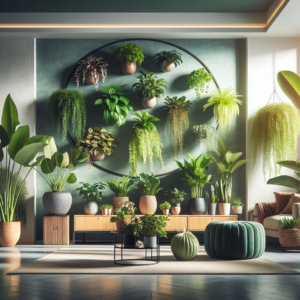
Plants are not just decorative pieces for homes and offices; they are living organisms that require care and attention. Proper plant maintenance is crucial for ensuring they thrive and remain healthy. Whether you are a seasoned gardener or a beginner, understanding the essentials of plant care can significantly impact the success of your indoor or outdoor garden. This guide will provide you with the necessary insights into plant maintenance, helping you to foster an environment where your plants can flourish.
Understanding Plant Needs
Before diving into the specifics of plant maintenance, it’s essential to understand the basic needs of plants. These include light, water, nutrients, and the right growing environment. Each plant species has its unique requirements, and understanding these will help you tailor your care routine accordingly.
Light Requirements
Light is one of the most critical factors for plant growth. Photosynthesis, the process by which plants convert light into energy, requires adequate sunlight. However, not all plants require the same amount of light. Some plants thrive in full sun, while others prefer shade or indirect light. It’s vital to understand the light requirements of your plants to position them properly within your home or garden.
Watering
Water is another essential component of plant care. Overwatering and underwatering are common mistakes that can harm your plants. The key is to find a balance by understanding your plant’s specific water needs. Factors such as plant type, size, soil type, and environmental conditions will influence how often you should water. It’s crucial to check the soil moisture and adjust your watering schedule accordingly.
Nutrient Supply
Plants require nutrients to grow, which they typically obtain from the soil. However, over time, the soil can become depleted, making it necessary to supplement with fertilizers. The type of fertilizer and frequency of application will depend on the plant species and the soil quality. Regularly assessing your plant’s nutrient needs can prevent deficiencies and promote healthy growth.
Environment
The environment in which a plant grows significantly impacts its health. Factors such as temperature, humidity, and air circulation must be considered. Different plants have different tolerances to these environmental factors, so it is crucial to provide an environment that suits their specific needs. For instance, tropical plants typically require higher humidity, while succulents prefer drier conditions.
Essential Plant Maintenance Practices
Once you understand the basic needs of your plants, you can develop a maintenance routine that ensures their thriving growth. The following practices are fundamental to keeping your plants healthy and vibrant.
Pruning and Deadheading
Pruning involves cutting back overgrown branches and stems to promote new growth and maintain the plant’s shape. Deadheading, the process of removing spent flowers, encourages more blooms and prevents the plant from wasting energy on seed production. Regular pruning and deadheading keep plants looking tidy and promote healthier growth.
Repotting
Over time, plants outgrow their pots, leading to root-bound conditions where roots circle the container’s interior. Repotting provides plants with more space to grow and access fresh soil with new nutrients. Typically, repotting should be done every 1-2 years or when you notice signs of root-bound conditions.
Pest and Disease Management
Pests and diseases can quickly compromise plant health. Regularly inspecting your plants for signs of infestation or illness is crucial. Common pests include aphids, spider mites, and mealybugs, while diseases can range from powdery mildew to root rot. Early detection and treatment are essential for preventing severe damage.
Soil and Mulching
Healthy soil is the foundation of thriving plants. Regularly check the soil for compaction and replenish it with organic matter to improve its structure and nutrient content. Mulching can also help retain moisture, regulate soil temperature, and suppress weeds, providing a more stable environment for plant growth.
Creating a Personalized Plant Care Routine
Creating a personalized plant care routine involves tailoring your maintenance practices to the specific needs of your plants. This routine should consider the unique requirements of each plant species in your collection.
Research and Observation
Start by researching each plant’s specific needs. Take note of their light, water, and nutrient requirements and any particular environmental preferences. Observing your plants regularly will help you identify any changes in their condition and adjust your care routine accordingly.
Organize and Schedule
Organize your plants based on their care needs. Group plants with similar light and moisture requirements together to make maintenance more efficient. Create a schedule for watering, fertilizing, and other care tasks to ensure consistency and prevent neglect.
Record Keeping
Keeping records of your plant care efforts can be invaluable. Note down watering schedules, fertilization dates, pest treatments, and any changes in plant health. This information can help you identify patterns and make informed decisions about your care routine.
Seasonal Plant Care Considerations
Plants often require different care routines depending on the season. Understanding these seasonal changes is crucial for maintaining plant health year-round.
Spring and Summer
During the growing seasons of spring and summer, plants are typically more active and may require more water and nutrients. This is also a good time for repotting and pruning to encourage growth. Ensure that your plants are protected from the intense midday sun, which can scorch leaves.
Fall and Winter
In fall and winter, many plants enter a dormant phase and require less water. It’s important to adjust your watering schedule to prevent root rot. Reduce fertilization during this time, as excessive nutrients can stress dormant plants. If your plants are indoors, consider moving them to a location with adequate light as daylight hours shorten.
Conclusion
Thriving plant growth is the result of consistent and mindful care. By understanding the specific needs of your plants and implementing a personalized maintenance routine, you can create an environment where they flourish. Remember that successful plant care involves ongoing observation and adaptation. With dedication and attention to detail, you can enjoy the beauty and vitality of healthy plants in your home or garden.
#ChatGPT assisted in the creation of this article.