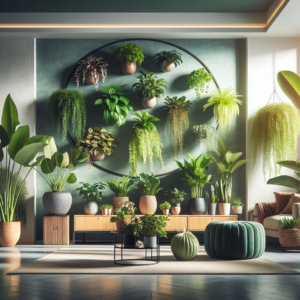
Creating a lush, vibrant indoor or outdoor garden requires more than just planting. Proper plant maintenance is crucial for ensuring that your greens thrive, offering not only beauty but also the benefits of cleaner air and enhanced well-being. This comprehensive checklist will guide you through essential plant care practices, helping your plants to flourish.
Understanding Your Plants
Before diving into maintenance, it’s vital to understand the specific needs of each plant species. Different plants require varying amounts of light, water, and nutrients. Researching your plant species will help you tailor your care routine to suit their unique requirements.
Light Requirements
Light is a critical factor in plant growth. Most plants fall into one of three categories: full sun, partial sun, or shade. Assess the light conditions in your home or garden and place plants accordingly. Consider the following:
- Full Sun: These plants need at least six hours of direct sunlight daily. Ideal for south-facing windows or outdoor gardens.
- Partial Sun/Partial Shade: These plants thrive with filtered or indirect sunlight. East or west-facing windows are perfect.
- Shade: These plants require minimal direct sunlight and do well in north-facing windows or shaded garden areas.
Watering Techniques
Proper watering is essential for plant health. Overwatering and underwatering are common mistakes that can harm plants. Consider these watering tips:
Check Soil Moisture
Before watering, check the soil moisture by inserting your finger about an inch into the soil. Water only if the soil feels dry.
Watering Schedule
Establish a consistent watering schedule based on your plant’s needs. Most plants prefer to be watered in the morning, allowing excess moisture to evaporate during the day.
Watering Methods
Use the appropriate watering method for your plants. For potted plants, water until you see drainage from the bottom. For garden plants, use a soaker hose or drip irrigation to minimize water loss.
Soil and Fertilization
Healthy soil provides the foundation for thriving plants. Regularly check and amend the soil to maintain its quality.
Soil Composition
Ensure your plants are in the right soil type. Most houseplants and garden plants prefer a well-draining potting mix. Specialty plants, like succulents, require sandy soils, while others may need more organic matter.
Fertilization
Fertilize plants during their growing season to provide essential nutrients. Use a balanced fertilizer or one specifically formulated for your plant type. Be cautious not to over-fertilize, as this can damage plants.
Pruning and Grooming
Pruning and grooming are vital for maintaining plant health and appearance. Regularly remove dead or damaged leaves, stems, and flowers to encourage new growth and prevent disease.
Pruning Techniques
Use clean, sharp tools to make precise cuts. For flowering plants, prune after blooming. For foliage plants, trim as needed to maintain shape and encourage bushiness.
Grooming Practices
Clean leaves with a damp cloth to remove dust and improve photosynthesis. Inspect plants for pests and diseases, treating them promptly to prevent spread.
Pest and Disease Management
Preventive measures and early intervention are key to managing pests and diseases.
Pest Identification
Regularly inspect your plants for signs of pests such as aphids, spider mites, or fungus gnats. Identify the pest to choose the most effective treatment.
Natural Pest Control
Opt for natural pest control methods such as neem oil, insecticidal soap, or introducing beneficial insects like ladybugs. These methods are eco-friendly and safe for your plants.
Disease Prevention
Ensure good air circulation around plants to prevent fungal diseases. Remove any diseased plant material promptly and avoid overhead watering to reduce leaf moisture.
Repotting and Transplanting
As plants grow, they may outgrow their containers or become root-bound, necessitating repotting or transplanting.
When to Repot
Repot when you see roots growing out of the drainage holes or when growth slows. Choose a pot that is one size larger to give roots room to expand.
Transplanting Tips
When moving plants outdoors or to a new location, do so gradually to allow them to acclimate. Water thoroughly before and after transplanting to reduce shock.
Seasonal Care Adjustments
Plants have different needs depending on the season. Adjust your care routine to accommodate these changes.
Spring and Summer
Increase watering and fertilization as plants enter their active growing phase. Watch for pests and provide support for tall plants as needed.
Autumn and Winter
Reduce watering and fertilization as plant growth slows. Ensure indoor plants have adequate light, possibly supplementing with grow lights.
Conclusion
By following this essential plant maintenance checklist, you’ll be well on your way to nurturing thriving greens in your home or garden. Regular care and attention will ensure your plants remain healthy and vibrant, offering you beauty and serenity all year round. Remember, each plant is unique, so tailor your approach to meet their specific needs and watch your plants flourish.
#ChatGPT assisted in the creation of this article.