
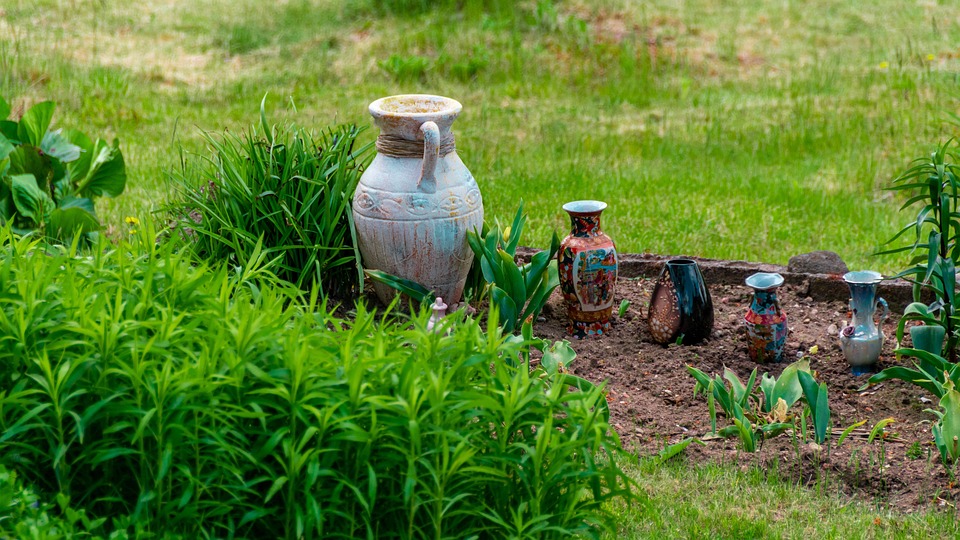
Gardening is a rewarding hobby that connects you with nature, provides a sense of accomplishment, and can even improve your mental well-being. For beginners, the world of gardening may seem overwhelming, but with a few essential tips, anyone can cultivate a thriving garden. This article will guide you through the basic concepts of gardening, helping you to start your own garden today.
Choosing the Right Location
The first step in starting a garden is selecting the appropriate location. The success of your garden depends heavily on its placement, as plants need the right conditions to thrive.
Sunlight
Most vegetables and flowers require at least 6-8 hours of direct sunlight per day. Observe your yard to determine which areas receive the most sunlight throughout the day. Remember, the amount of sunlight varies with the seasons, so choose a spot that will get ample light all year long.
Soil Quality
Good soil is the foundation of a healthy garden. Test the soil in your chosen location to ensure it has the right pH level and nutrients. You can purchase a soil testing kit from a local garden center. Ideally, the pH should be between 6.0 and 7.5. If the soil is poor, consider adding organic matter such as compost to improve its quality.
Access to Water
Water is essential for plant growth, so ensure your garden is close to a water source. Consider installing a rain barrel or setting up a drip irrigation system to make watering easier and more efficient.
Selecting the Right Plants
Choosing the right plants for your garden is crucial for success. Start with plants that are well-suited to your climate and soil conditions.
Know Your Hardiness Zone
The USDA Hardiness Zone Map is a valuable resource for gardeners in the United States. It divides the country into zones based on average minimum winter temperatures. Knowing your zone will help you select plants that can survive and thrive in your area.
Consider Your Space
If you have a small garden or are planting in containers, choose compact or dwarf varieties of plants. Vertical gardening techniques, such as trellises or hanging baskets, can also maximize space.
Start with Easy-to-Grow Plants
For beginners, it’s best to start with plants that are easy to grow and maintain. Some good choices include:
– **Vegetables**: Lettuce, radishes, carrots, and tomatoes
– **Herbs**: Basil, mint, parsley, and chives
– **Flowers**: Marigolds, zinnias, sunflowers, and petunias
Preparing Your Garden
Once you’ve selected your plants, it’s time to prepare your garden.
Clearing the Area
Remove any weeds, rocks, or debris from the planting area. This will give your plants a better chance to establish themselves without competition from weeds.
Amending the Soil
If your soil is lacking in nutrients, add organic matter such as compost, aged manure, or peat moss. This will improve soil structure, drainage, and fertility.
Planning Your Layout
When planning your garden layout, consider the mature size of each plant. Taller plants should be placed at the back or center of the garden bed, while shorter plants should be positioned at the front. This arrangement ensures all plants receive adequate sunlight.
Planting Your Garden
With your garden prepared, it’s time to plant.
Timing
Planting times vary depending on your climate and the plants you’ve chosen. Check seed packets or plant labels for specific planting instructions. Generally, it’s best to plant after the last frost date in your area.
Planting Techniques
Follow these basic planting techniques to ensure success:
– **Seeds**: Sow seeds at the recommended depth and spacing. Water gently to avoid displacing them.
– **Transplants**: Dig a hole slightly larger than the root ball, place the plant in the hole, and fill with soil. Water thoroughly to settle the soil around the roots.
Caring for Your Garden
Consistent care is essential for a flourishing garden.
Watering
Most plants require about 1 inch of water per week. Water deeply and infrequently to encourage strong root growth. Early morning is the best time to water, as it reduces evaporation and allows plants to dry before evening, preventing disease.
Fertilizing
Feed your plants with a balanced fertilizer to promote healthy growth. Follow the instructions on the fertilizer package for the correct application rate. Avoid over-fertilizing, as this can harm plants.
Pest and Disease Control
Monitor your plants regularly for signs of pests or diseases. Use organic methods, such as introducing beneficial insects or using neem oil, to manage problems. Remove affected plants promptly to prevent the spread of disease.
Weeding
Keep your garden free of weeds, which compete with your plants for nutrients and water. Mulching can help suppress weeds and retain soil moisture.
Harvesting and Enjoying Your Garden
One of the most rewarding aspects of gardening is harvesting the fruits of your labor.
Know When to Harvest
Different plants have different harvesting times. Check seed packets or plant labels for guidance. Harvest vegetables at their peak for the best flavor and nutritional value.
Enjoying Your Bounty
Once harvested, enjoy your fresh produce or flowers in meals, bouquets, or as gifts for friends and family. The satisfaction of growing your own food or flowers is unparalleled.
Conclusion
Gardening is a fulfilling and enjoyable hobby that offers numerous benefits. By understanding the essential gardening basics outlined in this article, you’ll be well-equipped to start your own garden today. Remember to be patient and enjoy the process, as gardening is a journey of learning and growth. Happy gardening!
#ChatGPT assisted in the creation of this article.


