
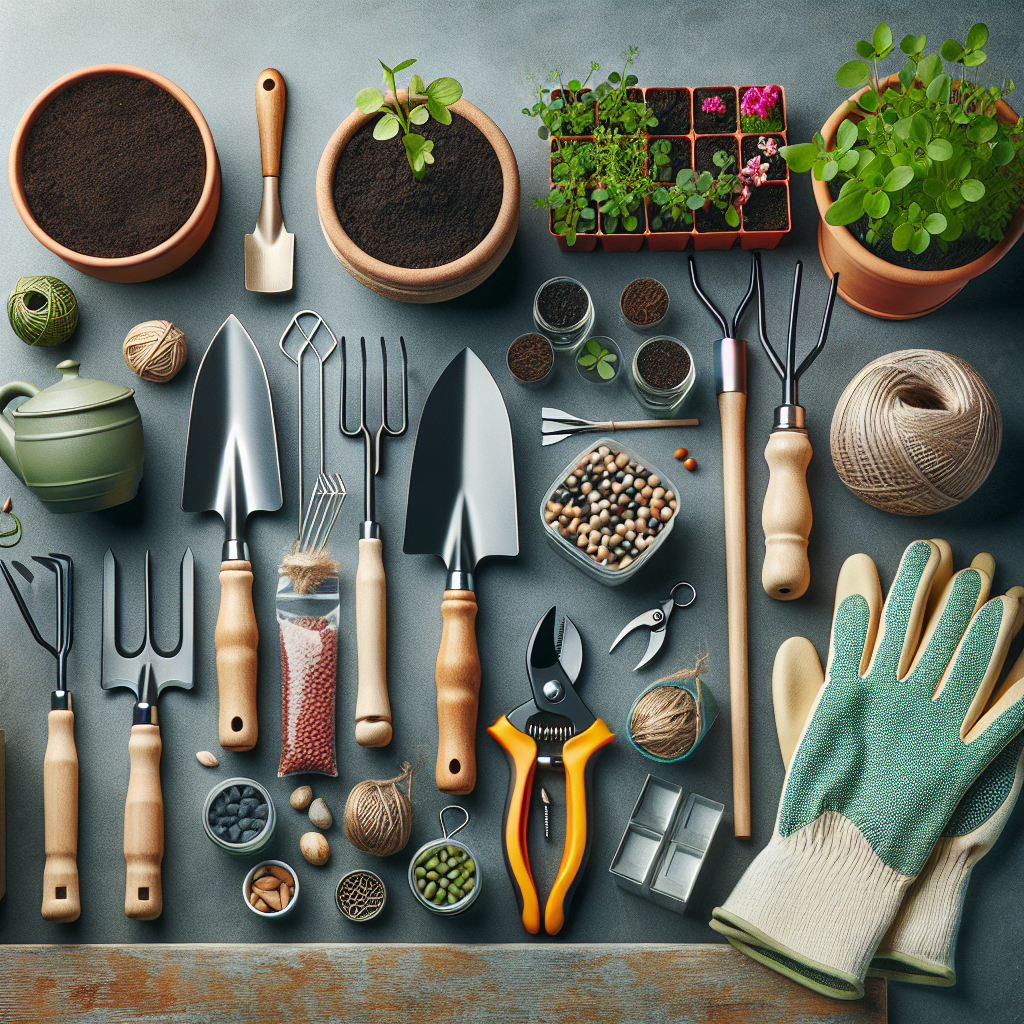
Embarking on the journey of gardening can be both exciting and overwhelming. For beginners, the myriad of tools and equipment available can be daunting. However, having the right tools can make the difference between a flourishing garden and a frustrating experience. This guide aims to introduce beginners to essential garden tools that will set the foundation for a successful gardening adventure.
Understanding the Basics
Before delving into the specifics of each tool, it’s essential to understand what tasks these tools will help you accomplish. Gardening generally involves planting, soil preparation, watering, and maintenance, including weeding and pruning. Each task has its corresponding tools designed to make the job easier and more efficient.
Hand Tools for Planting and Soil Preparation
Trowel
The trowel is a small handheld tool that is indispensable for any gardener. It is used for digging small holes, transplanting seedlings, and removing weeds. A good trowel should have a comfortable grip and a sturdy blade that can withstand heavy use.
Garden Fork
Garden forks are excellent for breaking up soil and aerating beds. They are particularly useful in clay or compacted soils where a spade might struggle. Look for a garden fork with strong tines that won’t bend easily.
Hand Rake
For leveling soil, removing debris, and spreading mulch, a hand rake is incredibly useful. It’s smaller than a traditional rake, making it ideal for flower beds and small garden plots.
Larger Tools for Groundwork
Spade
A spade is a must-have for digging, edging, and lifting sod. It has a flat, rectangular blade that makes it perfect for working in the soil. Choose a spade with a solid, durable handle and a sharp blade for the best results.
Garden Hoe
Hoes are essential for weeding and cultivating the soil. They come in various shapes, but the most common is the draw hoe, which has a flat blade set at a right angle to the handle. A sturdy hoe will make quick work of weeds and help maintain healthy soil.
Rake
A traditional leaf rake is useful for gathering leaves, grass clippings, and other debris from your garden. For leveling soil or creating a fine seedbed, a metal bow rake is a better choice due to its rigid tines.
Watering Tools
Hose and Nozzle
Keeping your garden adequately watered is crucial, and a quality garden hose with an adjustable nozzle will make this task much easier. Opt for a hose that is long enough to reach all areas of your garden and a nozzle that offers different spray patterns for versatility.
Watering Can
For smaller gardens or indoor plants, a watering can is a simple yet effective tool. Look for a can with a comfortable handle and a spout that allows for precise watering to avoid over-soaking your plants.
Pruning Tools
Pruning Shears
Pruning shears, or secateurs, are essential for trimming and shaping plants. They are perfect for cutting back small branches, deadheading flowers, and tidying up your garden. Choose a pair with sharp blades and a comfortable grip to reduce hand fatigue.
Loppers
For thicker branches that are too tough for pruning shears, loppers are the tool of choice. They have long handles that give you extra leverage, making it easier to cut through resilient wood. Ensure the blades are sharp and the handles sturdy.
Additional Tools for Garden Maintenance
Garden Gloves
Protecting your hands is essential when working in the garden. A good pair of garden gloves will protect you from thorns, splinters, and dirt. Look for gloves that fit well and offer both durability and flexibility.
Wheelbarrow
A wheelbarrow is invaluable for transporting soil, compost, plants, and debris around your garden. Choose one with a sturdy frame and a comfortable handle to make moving heavy loads easier.
Tips for Choosing Garden Tools
When selecting garden tools, consider the following tips to ensure you make the best choice:
- Quality over Quantity: Invest in a few high-quality tools rather than a large number of cheaper ones. They will last longer and perform better.
- Comfort and Ergonomics: Look for tools with comfortable grips and ergonomic designs to reduce strain and fatigue.
- Material: Choose tools made from durable materials like stainless steel or high-carbon steel for longevity.
Caring for Your Tools
Proper maintenance of your garden tools will extend their lifespan and ensure they work effectively. Here are some basic care tips:
- Cleaning: After each use, clean your tools to remove dirt and sap. A simple wash with water and a scrub brush will suffice.
- Sharpening: Keep cutting tools sharp for clean cuts. Use a sharpening stone or file to maintain the edge.
- Storage: Store tools in a dry place to prevent rust. Hang them up or keep them in a shed or garage.
Conclusion
Starting a garden is a rewarding endeavor, and having the right tools will make the process much smoother. By investing in essential garden tools, you’ll be well-equipped to handle the various tasks involved in cultivating your garden. Remember, quality tools and proper maintenance are key to a successful gardening experience. Happy gardening!
#ChatGPT assisted in the creation of this article.


