
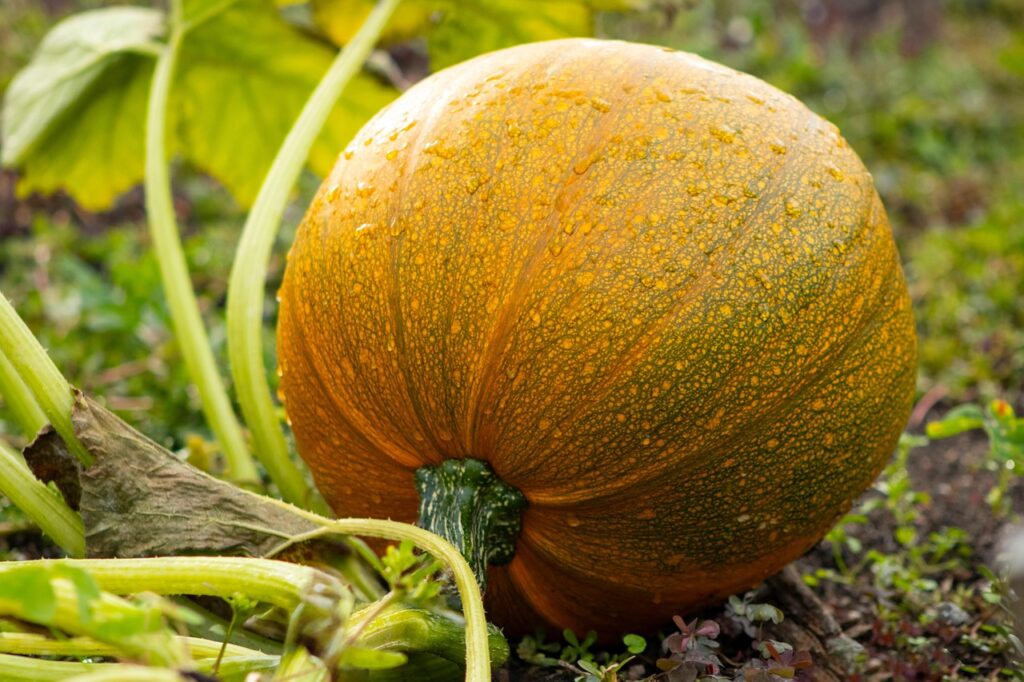
Gardening enthusiasts often relish the rewarding experience of cultivating fresh produce. However, vegetable gardening is not without its challenges. One of the most significant concerns for any gardener is the potential onset of plant diseases. These diseases can wreak havoc on a garden, reducing yield, affecting plant health, and sometimes leading to complete crop failure. The key to a thriving vegetable garden lies in understanding and implementing effective disease prevention strategies. This article explores various methods to keep your vegetable garden healthy and productive.
Understanding Vegetable Garden Diseases
Before delving into prevention strategies, it’s crucial to understand what vegetable garden diseases are and how they spread. Plant diseases are typically caused by pathogens such as fungi, bacteria, and viruses. These pathogens can be introduced to your garden through infected soil, seeds, or plants, and they often spread via water, insects, or even garden tools.
Common Vegetable Garden Diseases
1. **Blight**: Affects tomatoes and potatoes, causing spots on leaves and fruits.
2. **Powdery Mildew**: Characterized by a white powdery substance on leaves, affecting a variety of vegetables.
3. **Root Rot**: Often due to overwatering, it causes roots to decay and plants to wilt.
4. **Damping Off**: Affects seedlings, causing them to collapse and die.
5. **Downy Mildew**: Appears as yellow patches on leaves, often affecting cucumbers and lettuce.
Understanding these common diseases helps in identifying symptoms early and taking corrective actions promptly.
Effective Strategies for Disease Prevention
Implementing preventive measures can significantly reduce the risk of disease in your vegetable garden. These strategies focus on maintaining plant health, minimizing pathogen presence, and creating an environment unfavorable to disease development.
1. Crop Rotation
Crop rotation involves changing the location of plant families within your garden each season. This practice disrupts the life cycle of pathogens that overwinter in soil. For example, if you plant tomatoes in one section of your garden this year, consider planting beans or lettuce in that spot next year. By rotating crops, you reduce the buildup of pathogens specific to certain vegetables.
2. Selecting Disease-Resistant Varieties
One of the simplest ways to prevent diseases is to choose vegetable varieties bred for disease resistance. Seed catalogs and nursery labels often indicate resistant varieties, which inherently withstand common diseases better than non-resistant types. While these plants are not immune, their resilience makes them less likely to succumb to infections.
3. Proper Sanitation
Maintaining a clean garden is critical in preventing disease spread. Remove plant debris and weeds that can harbor pathogens. Disinfect tools regularly, especially after working with infected plants, to prevent cross-contamination. At the end of the growing season, thoroughly clean up the garden to eliminate overwintering pathogens.
4. Adequate Spacing and Pruning
Crowded plants are more susceptible to disease due to poor air circulation and increased humidity, which create ideal conditions for pathogen growth. Ensure adequate spacing between plants to promote airflow. Pruning excess foliage also helps improve air circulation and reduces the likelihood of fungal diseases.
5. Watering Practices
Water management is crucial in disease prevention. Overhead watering can wet foliage, encouraging fungal growth. Instead, use drip irrigation or water at the base of plants to keep leaves dry. Water early in the day to allow any moisture on leaves to evaporate before nightfall.
6. Healthy Soil Practices
Healthy soil fosters robust plants capable of resisting diseases. Regularly add organic matter, such as compost, to improve soil structure and fertility. Consider employing cover crops during the off-season to enhance soil health and disrupt pest and disease cycles.
7. Physical Barriers
Using barriers like floating row covers can protect plants from insect vectors that spread diseases. These covers also prevent splash erosion, which can transfer soil-borne pathogens to plant leaves.
8. Monitoring and Early Detection
Regularly inspect your plants for signs of disease. Early detection allows for prompt action, potentially saving the affected plants from further damage. Familiarize yourself with the early symptoms of common diseases and remove infected plants immediately to prevent spread.
Environmental Considerations
Understanding your local climate and environmental factors can further aid in disease prevention. Tailor your gardening practices to suit the prevailing weather conditions. For instance, in humid regions, focus more on air circulation and water management. In dry areas, ensure adequate watering without causing waterlogging.
Soil pH and Nutrient Levels
Soil pH and nutrient levels play a significant role in plant health. Conduct soil tests to determine pH and nutrient status. Adjust the pH to suit your crops, as certain diseases are more prevalent in soils with extreme pH levels. Provide balanced nutrition to keep plants vigorous and capable of resisting infections.
Integrated Pest Management (IPM)
Implementing an Integrated Pest Management (IPM) approach can minimize disease occurrence by managing pest populations. IPM combines biological, cultural, mechanical, and chemical methods to control pests sustainably. By managing pests, you indirectly reduce the vectors that spread diseases.
Biological Controls
Introduce beneficial insects and microorganisms that prey on or compete with pests. For example, ladybugs feed on aphids, reducing the spread of viral diseases they transmit.
Cultural Controls
Adopt cultural practices like crop rotation, sanitation, and resistant varieties to disrupt pest and disease cycles.
Conclusion
Preventing vegetable garden diseases requires a multifaceted approach that combines good gardening practices, environmental management, and vigilant monitoring. By understanding the common diseases and implementing the strategies outlined, gardeners can create a robust defense against pathogens. Not only does this lead to healthier plants and higher yields, but it also reduces the need for chemical interventions, promoting a more sustainable gardening practice. Remember, a proactive approach is always more effective than reactive measures, so start implementing these strategies today for a bountiful and disease-free vegetable garden.
#ChatGPT assisted in the creation of this article.


