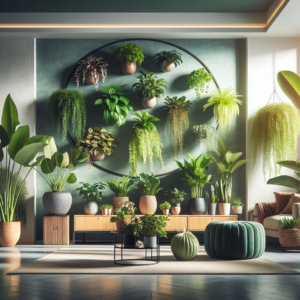
Starting your own indoor or outdoor garden can be an exciting and rewarding experience. Plants not only enhance the aesthetic appeal of your space but also improve air quality and elevate your mood. However, for absolute beginners, the task of caring for plants can seem daunting. Fear not, as this article will provide you with easy plant care tips that will help you nurture your plants with confidence and joy.
Understanding Your Plants
Before diving into plant care, it is crucial to understand the needs of the plants you intend to grow. Different plants require different care, so it’s essential to do a bit of research on the specific plants you have or plan to acquire. Some plants thrive in sunlight, while others prefer shade; some need frequent watering, while others need the soil to dry out between waterings.
Choosing the Right Plants
As a beginner, start with plants that are known for being hardy and low-maintenance. Some great options include succulents, snake plants, pothos, and peace lilies. These plants are forgiving and can withstand occasional neglect, making them perfect for novice plant parents.
Light Requirements
Light is one of the most critical factors for plant growth. Most plants need a good amount of light, but the intensity and duration can vary. It’s crucial to match the light requirements of your plants with the conditions of your home or garden.
Assessing Natural Light
Observe the natural light in your space throughout the day. Which areas receive the most sunlight? Which are more shaded? This will help you place your plants in spots where they can thrive. For example, if a plant needs bright, indirect light, placing it near a north-facing window can be ideal.
Using Artificial Light
If natural light is insufficient, consider using grow lights. These can be especially useful during the winter months or in rooms with limited sunlight. Look for full-spectrum LED grow lights that mimic natural sunlight and support plant growth effectively.
Watering Basics
Watering is a critical aspect of plant care, but it’s also where most beginners make mistakes. Overwatering is a common issue that can lead to root rot and other problems.
Understanding Soil Moisture
Check the moisture level of the soil before watering. Stick your finger about an inch into the soil; if it feels dry, it’s time to water. If it’s still moist, wait a few more days. This simple test can prevent you from overwatering your plants.
Establishing a Watering Routine
Develop a watering routine based on the needs of your specific plants. Some might need watering once a week, while others may require it every few weeks. Consistency is key, but always be flexible and adjust based on the plant’s response and environmental conditions.
Soil and Potting
Choosing the right soil and pot is crucial for the health of your plants. Different plants have different soil needs, so it’s important to use the appropriate type.
Potting Mix
Use a high-quality potting mix that suits the plant type. For instance, cacti and succulents need a well-draining mix, while indoor tropical plants might require a more moisture-retentive blend. Avoid using garden soil, as it often lacks the proper drainage and nutrients required for potted plants.
Choosing the Right Pot
Select pots with drainage holes to prevent water from accumulating at the bottom, which can lead to root rot. Additionally, consider the size of the pot; it should be proportional to the plant. A pot that’s too large can hold excess moisture, while one that’s too small can restrict root growth.
Fertilizing Your Plants
Fertilizing provides essential nutrients that plants need to grow and thrive. However, it’s important to use the right type and amount of fertilizer.
Types of Fertilizers
There are various types of fertilizers available, including liquid, granular, and slow-release. For beginners, liquid fertilizers are easy to use and allow for more control over the amount applied. Choose a balanced fertilizer or one specifically formulated for your plant type.
Fertilizing Schedule
Fertilize your plants during their growing season, typically spring and summer. Follow the instructions on the fertilizer package, and avoid over-fertilizing, as this can damage the plant roots. In fall and winter, plants generally need less fertilizer as they enter a period of dormancy.
Addressing Common Plant Issues
Even with the best care, plants can encounter problems. Being able to identify and address these issues is an essential skill for any plant parent.
Pest Control
Pests such as aphids, spider mites, and mealybugs can infest your plants. Regularly inspect your plants for signs of pests, such as discolored leaves or webbing. Use natural remedies like neem oil or insecticidal soap to treat infestations.
Dealing with Diseases
Plant diseases can manifest as spots on leaves, wilting, or mold. Ensure proper air circulation and avoid overwatering to prevent diseases. If a plant is infected, isolate it and remove affected leaves or stems to prevent the spread.
Pruning and Repotting
Regular maintenance tasks like pruning and repotting are crucial for keeping your plants healthy and encouraging growth.
Pruning Techniques
Pruning helps remove dead or diseased parts of the plant and encourages new growth. Use clean, sharp scissors or pruning shears to make cuts just above a leaf node. This will promote bushier growth and prevent the plant from becoming leggy.
When to Repot
Repot your plants when they outgrow their containers or when the soil becomes compacted. Signs that a plant needs repotting include roots growing out of the drainage holes or the plant becoming top-heavy. Choose a pot that is one size larger and refresh the soil to provide new nutrients.
Conclusion
Caring for plants can be a fulfilling and enjoyable hobby with the right knowledge and approach. By understanding your plants’ needs, providing proper light, watering, soil, and nutrients, and addressing common issues, you can become a confident plant parent, even as a beginner. Remember, every plant is unique, and with a little patience and observation, you’ll learn to tune in to what your green friends are telling you.
Happy gardening!
#ChatGPT assisted in the creation of this article.