
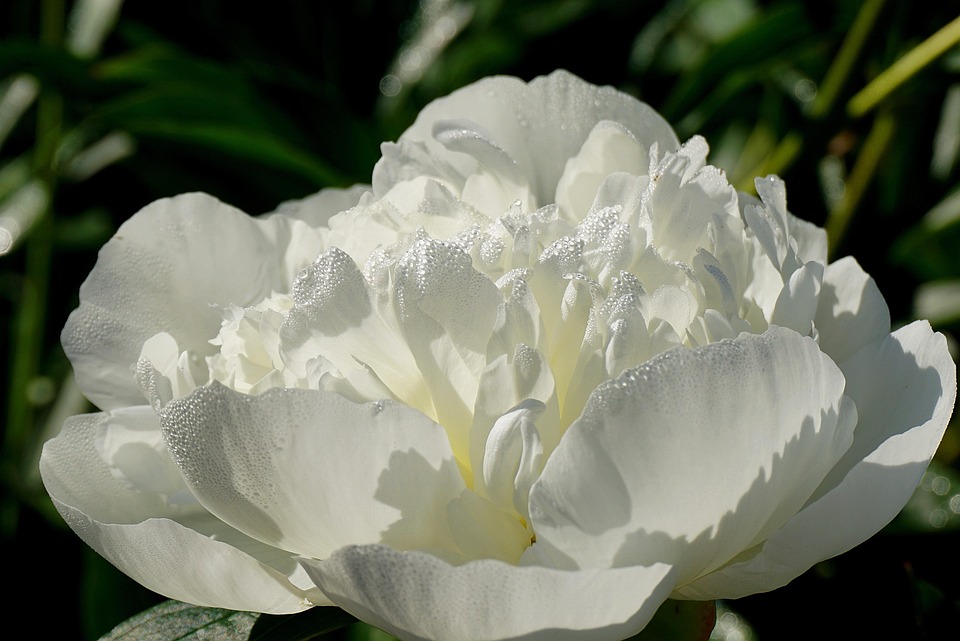
Flower gardening can be a rewarding and therapeutic activity. For beginners, the prospect of starting a garden can seem daunting. However, with the right approach and some basic knowledge, anyone can cultivate a beautiful and vibrant flower garden. This guide will provide you with essential tips to help you embark on your flower gardening journey with confidence.
Choosing the Right Location
The first step in flower gardening is selecting the appropriate location for your garden. Flowers, like all plants, have specific light and soil requirements. Consider the following factors when choosing a location:
Sunlight
Most flowering plants require ample sunlight to thrive. Observe your garden at different times of the day to determine which areas receive full sun, partial shade, or full shade. Choose plants that are suited to the available light conditions in your chosen spot.
Soil Quality
Healthy soil is crucial for successful gardening. Conduct a soil test to determine its pH level and nutrient content. Amend the soil as needed by adding organic matter, such as compost, to improve its structure and fertility.
Selecting the Right Flowers
Once you’ve chosen the right location, it’s time to select the flowers you’ll grow. Here are some tips to help you make the best choices:
Consider Climate
Select flowers that are well-suited to your local climate. Pay attention to the hardiness zones, which indicate the minimum temperatures that plants can tolerate. Choose plants that will thrive in your region’s climate conditions.
Choose Easy-to-Grow Varieties
As a beginner, start with easy-to-grow flowers that require minimal maintenance. Some excellent choices include marigolds, zinnias, sunflowers, and cosmos. These flowers are hardy and can tolerate a range of growing conditions.
Plan for Bloom Times
To ensure your garden is in bloom throughout the growing season, select a variety of flowers with different bloom times. This will provide continuous color and interest in your garden.
Preparing the Garden Bed
Proper preparation of the garden bed is essential for the success of your flower garden. Follow these steps to prepare your garden bed:
Clear the Area
Remove any weeds, rocks, or debris from the chosen site. Use a garden fork or spade to turn the soil, breaking up clumps and ensuring good drainage.
Amend the Soil
Incorporate organic matter, such as compost or well-rotted manure, into the soil to enhance its fertility. This will provide your flowers with the nutrients they need to grow strong and healthy.
Level the Bed
Rake the soil to create a smooth and level surface. This will make planting easier and ensure even water distribution.
Planting Your Flowers
With your garden bed prepared, it’s time to plant your flowers. Follow these guidelines for successful planting:
Follow Spacing Guidelines
Consult the seed packet or plant label for recommended spacing between plants. Proper spacing ensures that each plant has enough room to grow and access to sunlight and nutrients.
Watering
Water the soil thoroughly before planting. After planting, water the flowers gently to settle the soil around the roots. Consistent watering is crucial, especially during dry spells, to keep flowers healthy and vibrant.
Mulching
Apply a layer of organic mulch around the plants to conserve moisture, suppress weeds, and maintain even soil temperature. Mulch also adds a finished look to your garden.
Maintaining Your Flower Garden
Regular maintenance is key to a flourishing flower garden. Here are some essential maintenance tasks:
Weeding
Keep your garden free of weeds, which compete with your flowers for nutrients and water. Regular weeding prevents weeds from taking over and helps your flowers thrive.
Deadheading
Remove spent flowers by pinching or cutting them off. This encourages the plant to produce more blooms and extends the flowering period.
Fertilizing
Feed your flowers with a balanced fertilizer according to the package instructions. Over-fertilizing can harm plants, so be sure to follow recommended application rates.
Dealing with Pests and Diseases
Pests and diseases can pose challenges in flower gardening. Here’s how to address these issues:
Identify Common Pests
Familiarize yourself with common garden pests, such as aphids, slugs, and snails. Use organic pest control methods, like introducing beneficial insects or using neem oil, to manage infestations.
Prevent Diseases
Practice good hygiene by removing diseased plants and debris promptly. Ensure proper air circulation by not overcrowding plants, which helps prevent fungal diseases.
Enjoying Your Flower Garden
Once your flower garden is established, take the time to enjoy it. Here are some ways to make the most of your garden:
Create a Relaxing Space
Add seating or a small table to your garden, allowing you to relax and appreciate your hard work. Consider adding decorative elements like garden art or a water feature for added ambiance.
Incorporate Wildlife
Plant flowers that attract pollinators, such as bees and butterflies, to your garden. This not only supports local ecosystems but also enhances the beauty and vitality of your garden.
Share Your Garden
Invite friends and family to visit your garden and share your joy in gardening. You can also participate in local gardening clubs or online forums to connect with other gardening enthusiasts.
Conclusion
Flower gardening is a fulfilling hobby that brings color and life to any space. By following these easy tips, beginners can create a thriving flower garden with confidence. Remember, gardening is a learning process, and each season will bring new experiences and lessons. Embrace the journey, and enjoy the beauty of your blossoming garden.
#ChatGPT assisted in the creation of this article.


