
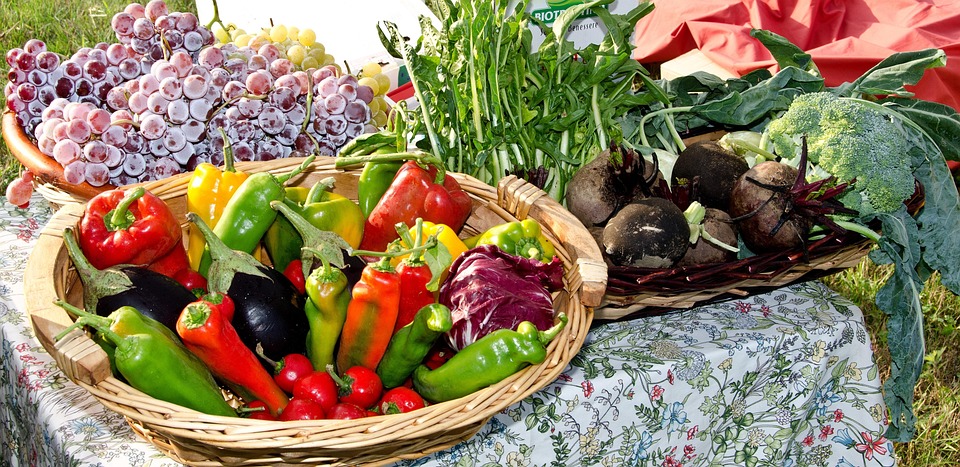
Whether you have a sprawling backyard or just a small balcony in an urban apartment, there are countless ways to cultivate a vegetable garden that suits your space and lifestyle. With a little creativity and some innovative techniques, you can grow your own fresh produce regardless of the limitations posed by your environment. This article explores various ideas and methods to help you make the most of your available space, ensuring a bountiful and satisfying harvest.
Vertical Gardening
When horizontal space is limited, think vertical. Vertical gardening is an excellent way to maximize space efficiency and bring a lush, green touch to any area. Here are some vertical gardening ideas:
Trellises and Arbors
Utilizing trellises and arbors can help you grow climbing plants such as peas, beans, and cucumbers. These structures not only support your plants as they grow upwards but also add an aesthetic element to your garden. By training your plants to climb, you save ground space and improve air circulation, reducing the likelihood of disease.
Wall Planters
Wall planters are perfect for those with limited ground space. You can use recycled materials like wooden pallets or purchase prefabricated wall planters. Fill them with soil and plant herbs, lettuce, or even strawberries. Wall planters are versatile and can be hung indoors or outdoors, making them suitable for various environments.
Stacked Gardens
Stacking containers or using tiered plant stands allows you to create multiple layers of planting space. This method is particularly effective for growing a variety of herbs and salad greens. By stacking, you can optimize the use of vertical space while still providing each plant with ample sunlight.
Container Gardening
Container gardening is a flexible and adaptable approach, allowing you to grow vegetables in pots, tubs, and other containers. This method is ideal for those with limited ground space or poor soil quality. Here are some tips for successful container gardening:
Choose the Right Container
Select containers with adequate drainage holes to prevent waterlogging. The size of the container should be appropriate for the plant’s root system. For example, tomatoes and peppers require larger containers, while herbs can thrive in smaller pots.
Use Quality Potting Mix
A high-quality potting mix provides essential nutrients and ensures good drainage. Avoid using garden soil, which can be too dense and may contain pests or diseases. Consider adding organic matter, such as compost, to enrich the potting mix.
Moveable Gardens
One of the greatest advantages of container gardening is mobility. You can move your plants to chase the sun, avoid harsh weather, or simply redesign your space. This flexibility makes container gardening a favored option for urban dwellers and those with balconies or patios.
Raised Bed Gardening
Raised beds are an excellent choice for gardeners seeking better control over soil quality and drainage. They are particularly beneficial for those with poor native soil or limited space. Here’s how raised bed gardening can be innovative:
Optimized Soil Conditions
By building raised beds, you can create the perfect soil mix tailored to your plants’ needs. This is especially useful if your native soil is rocky, clay-heavy, or otherwise unsuitable for growing vegetables. Raised beds also warm up faster in the spring, extending the growing season.
Efficient Use of Space
Raised beds can be constructed in various shapes and sizes to fit your space. They can be placed closer together than traditional rows, allowing for a higher density of plants. This intensifies production without requiring more land.
Accessibility and Aesthetics
Raised beds can be designed to a height that reduces the need for bending or kneeling, making gardening more accessible for those with physical limitations. Additionally, they can be crafted from materials like wood, stone, or metal to complement your garden’s design aesthetic.
Hydroponics and Aquaponics
For a more high-tech approach to vegetable gardening, consider hydroponic or aquaponic systems. These methods allow you to grow plants without soil, using nutrient-rich water solutions instead.
Hydroponics
Hydroponics involves growing plants in water infused with nutrient solutions. This method is highly efficient and allows for faster plant growth and higher yields. It is particularly well-suited for small spaces and indoor gardening, where traditional soil-based gardening might be impractical.
Aquaponics
Aquaponics combines hydroponics with aquaculture, using waste produced by fish to provide nutrients for the plants. The plants, in turn, help filter and clean the water, which is recirculated back into the fish tanks. This symbiotic system is sustainable and can produce both vegetables and fish, offering a comprehensive solution for food production in limited spaces.
Companion Planting
Companion planting involves strategically placing plants together to benefit each other. This can enhance growth, deter pests, and improve yield. Here are some innovative ways to practice companion planting:
Intercropping
Intercropping involves growing two or more crops in proximity. This method can maximize space and increase biodiversity. For example, planting tomatoes alongside basil can improve the flavor of both crops while deterring pests.
Trap Cropping
Use trap crops to lure pests away from your main vegetables. For instance, planting nasturtiums can attract aphids, keeping them away from your more valuable crops like tomatoes or peppers.
Pollinator-Friendly Plants
Incorporating flowers that attract pollinators, such as bees and butterflies, can enhance pollination rates, leading to better yields. Plants like marigolds and sunflowers not only beautify your garden but also support a healthy ecosystem.
Square Foot Gardening
Square foot gardening is a method that maximizes limited space by dividing a growing area into small, manageable sections. Each section, typically one square foot, is used to grow a specific crop.
Efficient Planting
This approach ensures that every inch of space is used effectively. By following a planting grid, you can avoid overcrowding and ensure each plant has sufficient nutrients and space to thrive.
Reduced Weeding and Maintenance
With clearly defined planting areas, square foot gardening reduces the space for weeds to grow, making maintenance easier and less time-consuming. It also helps in planning crop rotation and succession planting.
Customizable and Scalable
Square foot gardening is adaptable to any space. Whether you have a small balcony or a large backyard, you can customize the number of squares to fit your area, making it a highly scalable gardening method.
Conclusion
Innovative vegetable gardening is not limited by the size of your space. By employing creative solutions such as vertical gardening, container gardening, and hydroponics, you can cultivate a productive garden anywhere. Techniques like companion planting and square foot gardening can further enhance your garden’s efficiency and yield. With these strategies, anyone can enjoy the benefits of homegrown produce, contributing to a healthier lifestyle and a more sustainable environment.
#ChatGPT assisted in the creation of this article.


