
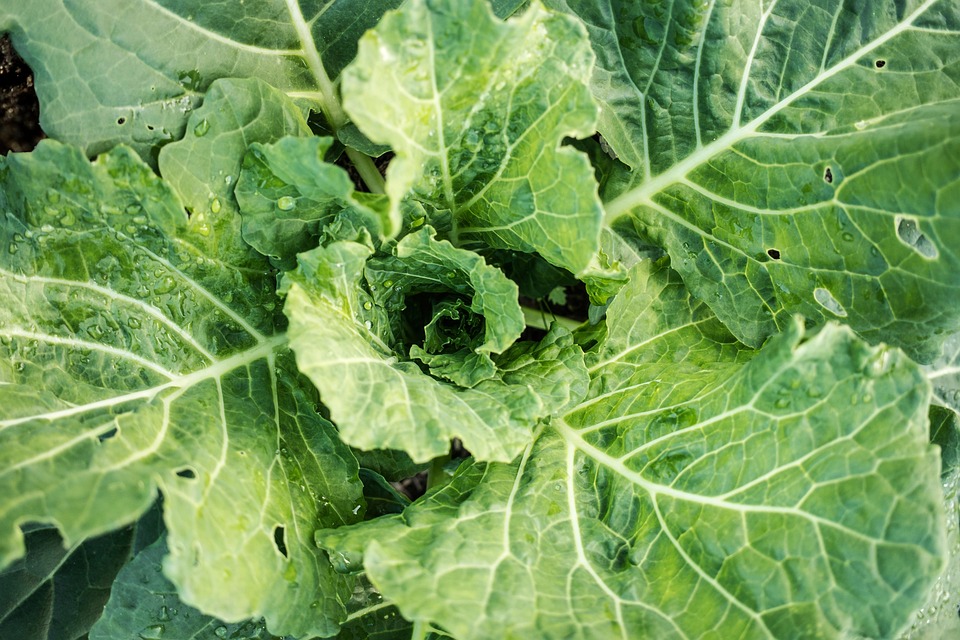
Vegetable gardening is a rewarding hobby that not only provides fresh produce but also promotes physical activity and environmental sustainability. However, one of the major challenges faced by beginner gardeners is dealing with pests that can damage or destroy crops. Learning effective pest control strategies is crucial to maintaining a healthy and productive garden. This article will guide beginners through various pest control methods, focusing on natural and sustainable practices.
Understanding Common Vegetable Garden Pests
Before implementing control strategies, it is essential to identify the common pests that may invade your vegetable garden. Some of the most frequent offenders include:
Aphids
These tiny insects can be found on the underside of leaves, sucking plant sap and weakening the plant.
Slugs and Snails
These pests are notorious for eating leaves and stems, leaving behind a trail of slime.
Caterpillars
Various species of caterpillars can be found munching on leaves, causing significant damage.
Whiteflies
These small, white flying insects feed on plant sap, causing wilting and yellowing of leaves.
Spider Mites
These tiny arachnids can cause stippling and discoloration of leaves, leading to reduced plant vigor.
Preventive Measures
The best way to control pests is to prevent them from becoming a problem in the first place. Here are some strategies to minimize pest infestations:
Healthy Soil
Start with healthy soil, as strong plants are more resistant to pests. Incorporate organic matter, such as compost, to improve soil structure and fertility.
Companion Planting
Certain plants can deter pests naturally. For example, marigolds can repel nematodes, while basil can help ward off flies and mosquitoes.
Crop Rotation
Rotating crops each season prevents pests from becoming established in a particular area, as they often target specific plants.
Cleanliness
Maintain garden hygiene by removing debris and weeds that can harbor pests. Regularly clean tools and equipment to prevent the spread of pathogens.
Natural Pest Control Methods
While chemical pesticides are available, they can harm beneficial insects and the environment. Consider these natural alternatives:
Handpicking
For larger pests like slugs and caterpillars, handpicking can be an effective control method. Inspect plants regularly and remove pests manually.
Neem Oil
Derived from the seeds of the neem tree, neem oil is a natural pesticide that disrupts the life cycle of many pests without harming beneficial insects.
Insecticidal Soap
Made from plant oils and fats, insecticidal soap is effective against soft-bodied insects like aphids and whiteflies. It works by breaking down the insect’s outer shell.
Diatomaceous Earth
This natural powder is made from fossilized algae and can be sprinkled around plants to deter crawling insects. It dehydrates and kills them on contact.
BT (Bacillus thuringiensis)
BT is a naturally occurring bacteria that specifically targets caterpillars. When ingested, it disrupts their digestive system, causing death.
Encouraging Beneficial Insects
Not all insects are harmful. Some can aid in pest control by preying on garden pests. Encourage these beneficial insects by:
Providing Habitat
Plant a variety of flowers to attract ladybugs, lacewings, and other beneficial insects. These insects need nectar and pollen to thrive.
Avoiding Broad-Spectrum Pesticides
These pesticides can kill beneficial insects along with pests. By avoiding them, you allow natural predators to control pest populations.
Installing Insect Hotels
Create or purchase insect hotels to provide shelter for beneficial insects during the winter months.
Mechanical Pest Control
Using physical barriers and traps can prevent pests from reaching your plants. Consider these options:
Row Covers
Lightweight row covers can protect plants from flying insects like whiteflies and prevent moths from laying eggs on plants.
Sticky Traps
Yellow or blue sticky traps can be used to trap flying insects such as whiteflies and aphids. Place them near affected plants for best results.
Floating Row Covers
These covers offer protection from larger pests like birds and rabbits while allowing light and water to reach the plants.
Organic and Chemical Pesticides
When natural methods are insufficient, organic and chemical pesticides may be necessary. Use them as a last resort and follow these guidelines:
Selective Pesticides
Choose pesticides that target specific pests to minimize harm to beneficial insects and the environment.
Follow Instructions
Always read and follow label instructions carefully to ensure safe and effective use.
Timing
Apply pesticides during early morning or late evening when pollinators are less active to reduce the risk of harming them.
Monitoring and Maintenance
Regular monitoring and maintenance of your garden can help catch pest problems early before they become severe.
Regular Inspections
Check plants regularly for signs of pest damage, such as holes in leaves, discoloration, or wilting.
Record Keeping
Keep a journal of pest sightings and control methods used. This information can help you identify patterns and improve strategies over time.
Continuous Learning
Stay informed about new pest control techniques and products. Join gardening clubs or online forums to share experiences and advice with fellow gardeners.
Conclusion
Effective pest control in vegetable gardening combines preventive measures, natural pest control methods, encouragement of beneficial insects, and, when necessary, selective use of organic and chemical pesticides. By understanding the pests that threaten your garden and utilizing a combination of these strategies, you can maintain a healthy and productive vegetable garden. Remember that gardening is a learning process, and each season will bring new challenges and opportunities to improve your pest control skills.
#ChatGPT assisted in the creation of this article.


