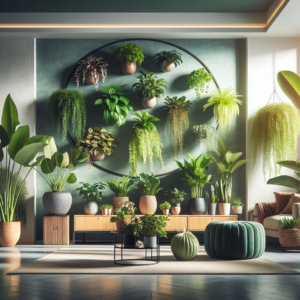
Gardening is a rewarding hobby that offers immense satisfaction and a tangible connection to nature. However, successful gardening requires a blend of knowledge, patience, and dedication. Whether you’re a novice gardener or a seasoned green thumb, understanding the essentials of plant care and maintenance is vital for fostering a thriving garden. This article delves into the fundamental aspects of garden plant care and provides practical tips to ensure your plants flourish.
Understanding Your Garden Environment
Before planting, it’s crucial to understand the environment of your garden. This includes assessing the soil quality, climate, and sunlight exposure which significantly influence plant health and growth.
Soil Quality
Soil is the foundation of a healthy garden. Conduct a soil test to determine its pH and nutrient levels. Most plants prefer slightly acidic to neutral pH levels (6.0-7.0). Amend your soil with organic matter such as compost or well-rotted manure to enhance its fertility and structure.
Climate Considerations
Understanding your local climate is essential for selecting appropriate plants. Consider the USDA Plant Hardiness Zone Map to determine which plants will thrive in your region. Additionally, be mindful of microclimates within your garden, such as areas that receive more wind or shade.
Sunlight Exposure
Different plants have varying sunlight requirements, ranging from full sun to partial or full shade. Observe your garden throughout the day to identify areas of sun and shade. This will guide you in placing plants according to their light needs, ensuring optimal growth.
Selecting the Right Plants
Choosing the right plants for your garden is crucial for success. Consider the growth habits, mature size, and maintenance needs of plants to ensure they fit well in your garden space.
Native and Adapted Plants
Opt for native or well-adapted plants that are suited to your local climate and soil conditions. These plants are more resilient to pests and diseases and generally require less water and maintenance.
Seasonal Planting
Plan your garden with seasonal interests in mind. Incorporate a mix of annuals and perennials to provide year-round color and texture. Consider succession planting to ensure continuous blooms and harvests.
Watering Wisely
Proper watering is vital for plant health. Both overwatering and underwatering can stress plants and make them susceptible to diseases.
Understanding Water Needs
Different plants have different water requirements based on their species, growth stage, and environmental conditions. Group plants with similar water needs together to simplify watering schedules.
Efficient Watering Techniques
Water deeply but infrequently to encourage deep root growth. Use drip irrigation or soaker hoses to deliver water directly to the soil, reducing evaporation. Water early in the morning or late in the afternoon to minimize water loss and leaf scorch.
Fertilizing for Growth
Fertilizing provides essential nutrients that plants need for growth and development. However, excessive fertilization can harm plants and the environment.
Types of Fertilizers
Choose between organic and synthetic fertilizers based on your gardening philosophy. Organic options, such as compost, manure, or bone meal, improve soil health long-term. Synthetic fertilizers provide immediate nutrient availability but may require more frequent applications.
Application Techniques
Apply fertilizers according to the specific needs of your plants and the results of your soil test. Avoid applying more than recommended, as this can lead to nutrient runoff and environmental harm. For best results, incorporate fertilizers into the soil before planting and follow up with periodic applications as needed.
Pruning and Maintenance
Regular maintenance, including pruning, is necessary to keep your garden healthy, encourage growth, and enhance its appearance.
Pruning Techniques
Prune plants to remove dead or diseased wood, shape them, and encourage flowering or fruiting. Use sharp, clean tools to make precise cuts. Prune at the right time of year for each plant type to avoid damaging them.
Regular Inspections
Inspect your plants regularly for signs of pests, diseases, or nutrient deficiencies. Early detection allows for timely intervention, preventing extensive damage. Adjust your care routine as needed to address any issues.
Pest and Disease Management
Integrated Pest Management (IPM) is a holistic approach to managing pests and diseases, focusing on prevention and minimal chemical use.
Preventive Measures
Maintain plant health through proper care and sanitation. Remove debris and fallen leaves that may harbor pests. Use row covers or barriers to protect plants from insects. Foster biodiversity to attract beneficial predators.
Natural Remedies
Use natural pest control methods, such as neem oil, insecticidal soap, or diatomaceous earth. Encourage beneficial insects, like ladybugs and lacewings, that prey on harmful pests.
Seasonal Garden Tasks
Gardening is a year-round endeavor, with specific tasks required in each season to prepare your garden for the next phase of growth.
Spring Tasks
In spring, focus on preparing the soil, planting new seeds and transplants, and applying mulch to conserve moisture. Prune early-flowering shrubs and trees after they bloom.
Summer Tasks
Summer requires consistent watering and weeding. Deadhead flowers to encourage more blooms, and monitor for pests and diseases. Harvest fruits and vegetables as they ripen.
Fall Tasks
In fall, clean up plant debris and add organic matter to the soil. Plant bulbs for spring blooms and consider cover crops to protect and enrich the soil. Prune late-blooming perennials.
Winter Tasks
Winter is a time for planning and maintenance. Protect tender plants with mulch or coverings. Prune deciduous trees and shrubs while they are dormant. Review garden successes and make plans for the coming year.
Conclusion
Mastering garden plant care involves a comprehensive understanding of your garden’s unique conditions and the specific needs of your plants. By applying these essential tips, you can create a thriving garden that brings joy and beauty year-round. Remember that patience and observation are key to successful gardening, as plants often communicate their needs through subtle changes in appearance. With dedication and a willingness to learn, you can cultivate a garden that is both sustainable and rewarding.
#ChatGPT assisted in the creation of this article.