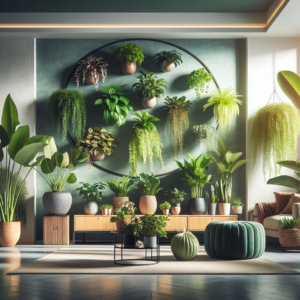
Watering might seem like a straightforward task, but for many plant enthusiasts, it remains one of the most challenging aspects of plant care. Too much or too little water can harm your plants, sometimes irreversibly. Understanding optimal plant hydration is crucial for maintaining healthy and thriving plants. This article explores the key factors determining how often you should water your plants, ensuring they receive the right amount of hydration.
Understanding Plant Water Needs
All plants need water, but their requirements can vary drastically depending on species, environment, and growth stage. Understanding the specific water needs of your plants involves considering several factors:
Plant Type
Different plant species have varying water requirements. For instance, succulents and cacti are drought-tolerant and prefer dry soil, while tropical plants like ferns and calatheas thrive in consistently moist conditions. Knowing the native environment of your plant can offer significant insights into its watering needs.
Growth Stage
A plant’s growth stage significantly influences its water requirements. Seedlings and young plants generally need more frequent watering to support their rapid growth. In contrast, mature plants may require less frequent watering, particularly during dormant periods.
Seasonal Changes
Seasonal variations can impact watering schedules. During the growing seasons of spring and summer, plants often require more water due to increased photosynthesis and growth. Conversely, in autumn and winter, many plants enter a period of dormancy, reducing their water needs.
Environmental Factors
Climate and local environmental conditions play a significant role in determining watering frequency. High temperatures, wind, and low humidity levels can increase evaporation, necessitating more frequent watering. In contrast, cooler temperatures and higher humidity can reduce a plant’s water needs.
Soil and Container Considerations
The type of soil and container can greatly affect how often you should water your plants.
Soil Type
The soil composition determines how well it retains moisture. Sandy soils drain quickly and may require more frequent watering, while clay soils retain water longer but can lead to poor root oxygenation if overwatered. Amending the soil with organic matter can enhance its water retention capabilities, providing a more balanced environment for root development.
Container Material
The type of container also influences watering frequency. Terracotta pots are porous and allow moisture to evaporate more quickly, often necessitating more frequent watering. In contrast, plastic and glazed ceramic pots retain moisture longer, potentially requiring less frequent watering.
Signs of Overwatering and Underwatering
Recognizing the signs of overwatering and underwatering is crucial in adjusting your watering routine effectively.
Signs of Overwatering
Overwatering is a common issue that can lead to root rot and plant decline. Signs include yellowing leaves, wilting despite wet soil, and mold or fungi growth on the soil surface. If you notice these symptoms, reduce watering frequency and ensure proper drainage.
Signs of Underwatering
Underwatered plants often exhibit wilting, dry soil, and browning leaf edges. If the plant appears to be struggling despite adequate light and temperature, consider increasing the watering frequency. A thorough watering, allowing excess water to drain away, is often necessary to rehydrate the plant.
Establishing a Watering Schedule
Establishing a consistent watering schedule involves observation, experimentation, and adaptation based on your plant’s specific needs and environmental conditions.
Observe and Test
Regularly check the soil moisture level by inserting your finger about an inch into the soil. If it feels dry, it’s time to water. For a more accurate reading, consider using a moisture meter, which can help you determine the soil’s moisture content more precisely.
Adjust for Growth and Season
Adjust your watering schedule according to the plant’s growth stage and seasonal changes. During active growth, increase watering frequency, and decrease it during dormancy. Always consider the specific needs of your plant species.
Monitor Environmental Changes
Environmental conditions such as temperature, light, and humidity can change unexpectedly. Be proactive in adjusting your watering schedule to accommodate these changes, ensuring your plants receive optimal hydration.
Watering Techniques for Optimal Hydration
The technique used to water plants can be as important as the frequency. Employing effective watering methods can enhance plant health and growth.
Watering from the Top
Watering from the top is the most common method. Pour water until it begins to drain from the pot’s bottom, ensuring the entire root ball receives moisture. This method is effective for most indoor and outdoor potted plants.
Bottom Watering
Bottom watering involves placing the pot in a tray of water, allowing it to absorb moisture through the drainage holes. This technique encourages deeper root growth and reduces the risk of surface-level mold and fungus growth.
Misting
Misting is beneficial for plants requiring high humidity, such as ferns and orchids. However, it should not replace regular watering, as misting alone cannot provide adequate soil moisture.
Conclusion
Achieving optimal plant hydration requires understanding your plant’s specific needs, environmental conditions, and employing the right watering techniques. By observing your plants, adjusting to seasonal changes, and applying effective watering methods, you can ensure your plants receive the right amount of hydration to thrive. Remember, patience and attention to detail are key in developing a successful watering routine, resulting in healthier and more vibrant plants.
#ChatGPT assisted in the creation of this article.