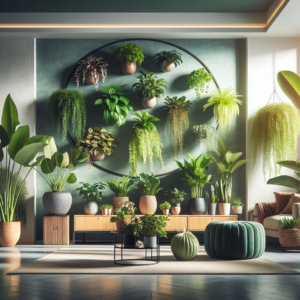
Gardening is a rewarding and enriching hobby that not only beautifies your surroundings but also provides a sense of accomplishment and connection with nature. Whether you’re a seasoned gardener or a beginner, mastering outdoor plant care requires knowledge, patience, and dedication. This article will guide you through essential tips and techniques to ensure your garden thrives, turning your outdoor space into a lush, vibrant oasis.
Understanding Your Environment
Before embarking on your gardening journey, it’s crucial to understand the specific conditions of your environment. This includes climate, soil type, and sun exposure—factors that heavily influence plant growth and health.
Climate Considerations
Different plants thrive in different climates. Understanding your local climate will help you select plants that are best suited to your region. Pay attention to the temperature ranges, humidity levels, and seasonal changes. Use resources such as local gardening clubs or online plant hardiness zone maps to determine which plants will thrive in your area.
Soil Analysis
Soil quality is fundamental to plant health. Conduct a soil analysis to determine its pH level, drainage capability, and nutrient content. Most plants prefer slightly acidic to neutral soil (pH 6-7). Amend your soil with organic matter like compost or peat moss to improve its structure and fertility. Consider using raised beds or containers if your native soil is poor.
Sun Exposure
Sunlight is vital for photosynthesis, the process by which plants produce energy. Observe the sun exposure in your garden to choose plants that match those conditions. Full-sun plants require at least 6-8 hours of direct sunlight per day, while shade-tolerant plants can thrive in areas with less light.
Choosing the Right Plants
Selecting the appropriate plants for your garden is essential for success. Consider the following factors when making your choices:
Native Plants
Native plants are adapted to your local climate and soil conditions, making them easier to grow and maintain. They also provide essential habitats for local wildlife. Research and incorporate native species to create a sustainable and low-maintenance garden.
Seasonal Plants
Plan your garden to include a variety of plants that bloom at different times of the year. This ensures continuous color and interest across the seasons. Incorporate a mix of annuals, perennials, and bulbs for a dynamic landscape.
Companion Planting
Companion planting involves placing plants together that can mutually benefit each other. This can include pest control, pollination, and improving plant growth. For example, planting marigolds near vegetables can deter pests, while herbs like basil can enhance the flavor of tomatoes.
Planting Techniques
Proper planting techniques are critical for establishing healthy plants. Follow these guidelines to ensure successful plant establishment:
Timing and Spacing
Plant at the right time according to your climate and plant type. Spring and fall are generally ideal for most plants. Ensure proper spacing to allow for growth and air circulation, reducing the risk of disease.
Planting Depth
Planting too deeply or too shallowly can hinder plant growth. Follow specific planting instructions for each plant type, ensuring the root ball is level with or slightly above the soil surface.
Watering Techniques
Watering is crucial for plant health, but overwatering can be detrimental. Water deeply and less frequently to encourage deep root growth. Early morning is the best time to water, reducing evaporation and fungal diseases. Consider installing a drip irrigation system for efficiency.
Ongoing Plant Care
Once your plants are established, regular maintenance is essential to keep them healthy and thriving.
Fertilization
Fertilize your plants to provide essential nutrients. Use organic fertilizers like compost or well-rotted manure to enrich the soil naturally. Be mindful of over-fertilization, which can harm plants and the environment.
Pruning
Pruning helps maintain plant shape, encourages new growth, and removes dead or diseased branches. Prune at the appropriate time for each plant species, typically in late winter or early spring. Use sharp, clean tools to prevent disease spread.
Pest and Disease Management
Monitor your garden regularly for signs of pests and diseases. Encourage beneficial insects like ladybugs and lacewings to control pests naturally. Use organic or chemical controls only when necessary, and follow label instructions carefully.
Conclusion
Mastering outdoor plant care is a journey that combines knowledge, observation, and a love of nature. By understanding your environment, selecting the right plants, and employing proper care techniques, you can create a thriving garden that brings joy and beauty to your outdoor space. Remember, patience and perseverance are key—gardening is as much about the journey as it is about the destination.
Additional Resources
For further reading and resources, consider joining local gardening clubs, attending workshops, or consulting gardening books and websites. Engaging with a community of fellow gardeners can provide valuable support and inspiration as you cultivate your green thumb.
#ChatGPT assisted in the creation of this article.