
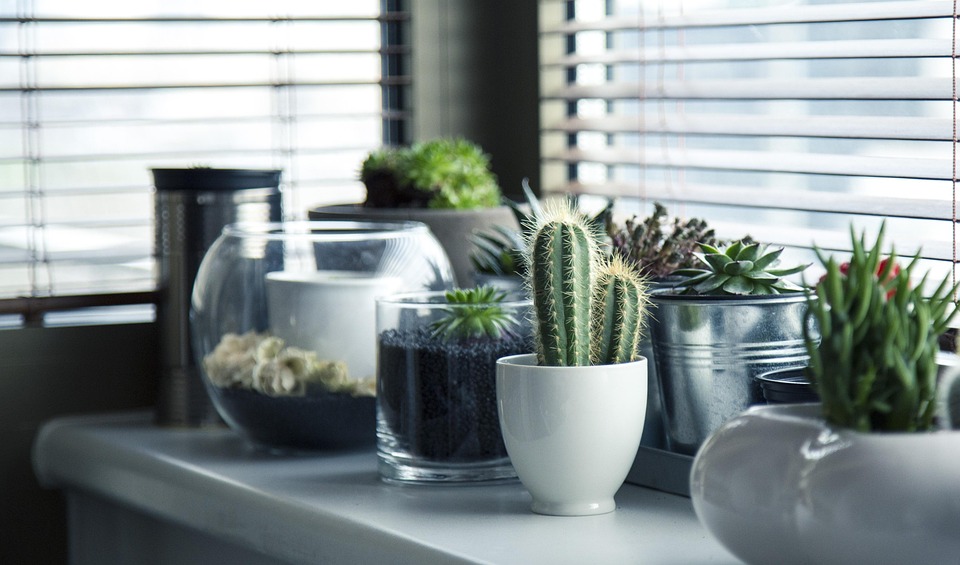
Gardening is a rewarding hobby that can provide fresh produce, enhance your home’s aesthetic appeal, and promote relaxation and well-being. For beginners, starting a garden can be both exciting and overwhelming. This guide offers essential tips to help you cultivate a thriving garden, whether you have a spacious backyard or a small balcony.
Choosing the Right Location
One of the first considerations in starting a garden is selecting the appropriate location. The success of your garden largely depends on choosing a spot that meets the following criteria:
Sunlight
Most vegetables, herbs, and flowers require at least six to eight hours of sunlight each day. Observe your space to identify areas that receive the most sunlight and plan your garden accordingly. If your options are limited, consider growing shade-tolerant plants or using containers that can be moved to sunnier spots.
Soil Quality
Healthy soil is the foundation of a successful garden. Conduct a soil test to determine its pH level and nutrient content. Amend the soil with organic matter such as compost or well-rotted manure to improve its structure and fertility. If your soil quality is poor, consider creating raised beds or using container gardening as alternatives.
Water Access
Ensure that your garden location is close to a water source. Consistent watering is crucial, especially during dry spells. Consider setting up an efficient irrigation system, such as a drip irrigation setup, to conserve water and ensure your plants receive a steady supply of moisture.
Selecting the Right Plants
When choosing plants for your garden, consider the climate, space availability, and your personal preferences. Here are some tips to help you make informed decisions:
Climate Compatibility
Select plants that are well-suited to your local climate and growing season. Consult the USDA Plant Hardiness Zone Map or a local gardening expert to determine which plants will thrive in your area. Opt for native species, as they are typically more resilient and require less maintenance.
Size and Space Considerations
Consider the mature size of plants to avoid overcrowding and ensure adequate airflow. Use vertical gardening techniques, such as trellises or hanging pots, to maximize space in small areas. Choose compact or dwarf varieties if you have limited space.
Personal Preferences
Grow plants that interest you and align with your goals. If you’re interested in fresh produce, start with easy-to-grow vegetables like tomatoes, lettuce, or radishes. For aesthetic appeal, consider flowers that bloom in different seasons to maintain color throughout the year.
Essential Gardening Tools
Having the right tools can make gardening more efficient and enjoyable. Here are some essential tools every beginner gardener should have:
Hand Trowel
A hand trowel is a versatile tool used for digging, planting, and transplanting. Choose a sturdy trowel with a comfortable grip to make tasks easier on your hands.
Pruning Shears
Pruning shears are essential for trimming plants, removing dead growth, and shaping shrubs. Look for sharp, durable shears that fit comfortably in your hand.
Watering Can or Hose
A watering can is ideal for small gardens or potted plants, while a hose with a spray attachment is better suited for larger areas. Ensure your watering tools are easy to handle and have adjustable settings for different watering needs.
Garden Gloves
Protect your hands from soil, thorns, and sharp objects with a good pair of garden gloves. Choose gloves that are durable yet comfortable and provide a good grip.
Planting and Maintenance Tips
Once you’ve chosen your location, plants, and tools, it’s time to get your hands dirty. Here are some planting and maintenance tips to help your garden thrive:
Proper Planting Techniques
Follow the recommended planting depth and spacing for each type of plant. Plant seeds or seedlings at the appropriate time of year, considering your local climate and the specific needs of each plant. Gently firm the soil around the plant roots to remove air pockets and encourage stability.
Watering Practices
Consistency is key when it comes to watering. Water deeply and less frequently to encourage deep root growth, rather than shallow watering that leads to weak roots. Early morning is the best time to water, as it reduces evaporation and allows plants to absorb moisture before the heat of the day.
Fertilizing and Soil Improvement
Regularly enrich your soil with organic matter to maintain its fertility. Use compost, mulch, or organic fertilizers to provide essential nutrients. Be cautious not to over-fertilize, as this can harm plants and disrupt soil balance.
Pest and Disease Management
Monitor your plants regularly for signs of pests and diseases. Encourage beneficial insects, such as ladybugs and bees, that help control pest populations. Use natural remedies or organic pesticides to address issues when necessary. Practicing crop rotation and maintaining plant diversity can also help minimize pest problems.
Harvesting and Enjoying Your Garden’s Bounty
Knowing when and how to harvest your plants is crucial for maximizing yield and ensuring quality produce. Here are some tips for successful harvesting:
Timing
Harvest fruits, vegetables, and herbs at their peak ripeness for the best flavor and nutritional content. Regularly check your plants, as harvesting often encourages more production. Learn the specific signs of ripeness for each type of plant you grow.
Harvesting Techniques
Use clean, sharp tools to harvest produce, and avoid damaging the plant. For leafy greens and herbs, gently snip the desired amount, allowing the plant to continue growing. Handle fruits and vegetables with care to prevent bruising and ensure a longer shelf life.
Storing and Preserving
Store your harvest properly to extend its freshness. Some produce can be refrigerated, while others fare better at room temperature. Consider preserving excess produce through methods such as canning, freezing, or drying to enjoy your garden’s bounty year-round.
Conclusion
Home gardening is a fulfilling endeavor that can transform your living space and provide a sense of accomplishment. By choosing the right location, selecting suitable plants, using essential tools, and following proper planting and maintenance practices, you can create a thriving garden. As you gain experience, your confidence will grow, and you’ll enjoy the many benefits of this rewarding hobby. Remember, patience and persistence are key, and with time, you’ll develop a greener thumb and a garden you can be proud of.
“`
#ChatGPT assisted in the creation of this article.


