Pruning is an essential aspect of plant care that encourages growth, enhances flowering, and maintains the health of plants. Whether you’re a seasoned gardener or a beginner, understanding the nuances of pruning can significantly improve the vitality and aesthetics of your garden. This guide will delve into expert techniques and offer insights into transforming your pruning practices.
Why Prune?
Pruning serves several crucial purposes. It helps remove dead or diseased wood, shapes the plant for better aesthetics, and encourages the development of flowers and fruits. Additionally, pruning can improve air circulation, reduce plant size, and prevent safety hazards posed by overgrown branches.
Understanding Plant Growth
Before you start pruning, it’s important to understand how plants grow. Plants have nodes, which are points on the stem where leaves, branches, and flowers originate. Pruning influences these nodes, encouraging some to grow while suppressing others. Recognizing where and how to cut can direct the plant’s growth patterns effectively.
Types of Pruning Cuts
Heading Cuts
Heading cuts are made by trimming back the terminal parts of a branch or stem. This type of cut promotes bushier growth by encouraging the development of buds below the cut.
Thinning Cuts
Thinning cuts involve removing an entire branch or shoot at its point of origin. This reduces plant density without altering its natural shape, improving light penetration and air circulation.
Pinching
Pinching is a form of pruning that involves removing the growing tips of a plant with your fingers. It is often used on herbaceous plants to encourage bushier growth and more blooms.
Pruning Tools
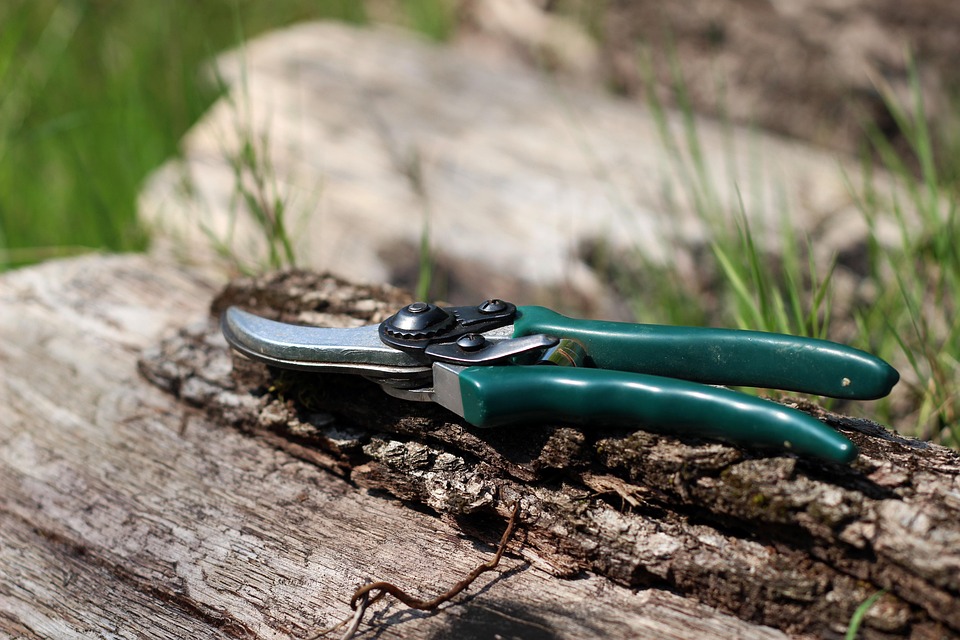
Having the right tools is crucial for effective pruning. Invest in quality pruners, loppers, and saws. Pruners are ideal for small branches, loppers for medium branches, and saws for larger branches. Ensure your tools are sharp to make clean cuts, minimizing damage to the plant.
Best Time to Prune
The timing of pruning can significantly impact plant health. Generally, most pruning is done during the dormant season, late winter or early spring, before new growth begins. However, the best time can vary depending on the plant species and your specific goals.
Pruning Deciduous Trees and Shrubs
For deciduous trees and shrubs, late winter is usually the best time to prune. This timing avoids new growth being damaged by frost and ensures that the plant directs its energy towards new growth come spring.
Pruning Evergreen Plants
Evergreen plants can be pruned in late winter or early spring. However, light pruning can be done throughout the year to maintain shape and remove any dead or damaged branches.
Step-by-Step Pruning Techniques
Assess the Plant
Begin by thoroughly examining the plant. Identify dead, diseased, or crossing branches that may rub against each other, causing damage. Determine the overall shape and structure you want to achieve.
Make Precise Cuts
When making cuts, aim for precision. Cut close to the branch collar, the swollen area at the base of the branch. Avoid leaving stubs, which can invite pests and diseases.
Prune for Shape
To shape the plant, make heading cuts above a node facing the direction you want the new growth to follow. This ensures that the plant grows in a desirable pattern.
Remove Dead and Diseased Wood
Remove any dead or diseased wood by making clean cuts back to healthy tissue or the base of the plant. Dispose of any diseased material to prevent the spread of pathogens.
Common Pruning Mistakes
Avoid common pruning mistakes such as over-pruning, which can stress the plant, or making improper cuts that damage the plant structure. Always ensure your tools are clean and sharp to prevent disease transmission and unnecessary plant stress.
Specialized Pruning Techniques
Espalier
Espalier is a technique used to train plants to grow flat against a structure, such as a wall or trellis. This method is often used for fruit trees and can enhance both aesthetics and fruit production.
Topiary
Topiary involves shaping plants into intricate forms and is commonly used in ornamental gardening. This technique requires regular maintenance and precise cutting to maintain the desired shape.
Conclusion
Pruning is a vital practice that can greatly enhance the health and appearance of your plants. By understanding the different pruning techniques, when to prune, and how to avoid common mistakes, you can ensure your garden thrives. With practice and patience, you’ll become proficient at guiding the growth and beauty of your plants through expert pruning.
Additional Resources
Consider referring to gardening books, online forums, or local horticultural societies for further information on plant-specific pruning techniques. The knowledge gained from these resources can provide valuable insights and enhance your pruning skills.
#ChatGPT assisted in the creation of this article.