
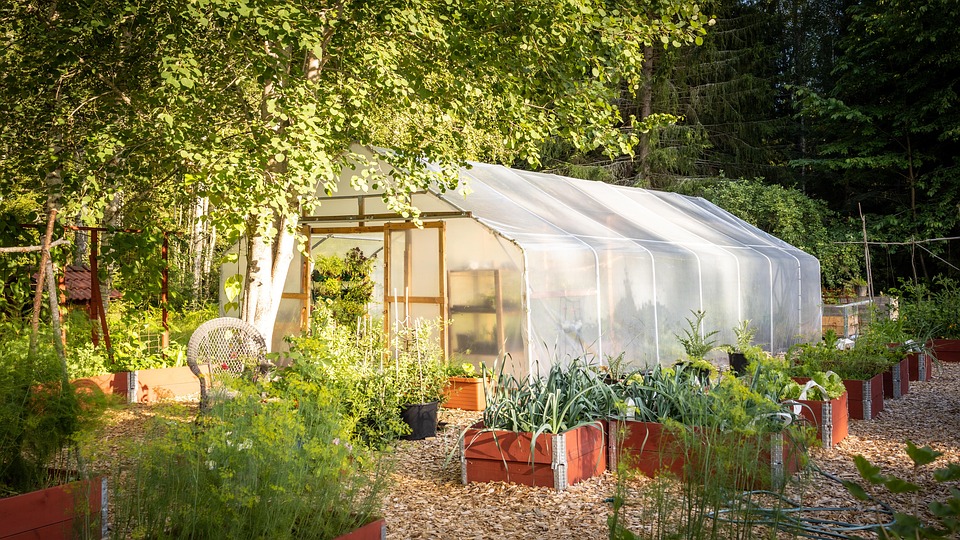
Starting a vegetable garden can be one of the most rewarding experiences for both novice and seasoned gardeners alike. The joy of planting a seed and watching it grow into a thriving plant that produces fresh, delicious vegetables is unmatched. Whether you have a sprawling backyard or a small balcony, vegetable gardening is accessible to everyone. This guide will take you through the essential steps to kick-start your journey into vegetable gardening.
Choosing the Right Location
The first step in starting a vegetable garden is selecting the right location. A successful garden requires adequate sunlight, good soil, and access to water. Ideally, your garden should receive at least six to eight hours of direct sunlight each day. Assess the space you have available and consider factors such as wind exposure and proximity to water sources.
For those with limited space, container gardening or vertical gardening are excellent alternatives. Containers can be placed on patios or balconies, while vertical gardens can maximize space by utilizing walls and trellises.
Planning Your Garden Layout
Once you’ve chosen the location, it’s time to plan the layout of your garden. Consider the size and shape of your space, as well as the types of vegetables you want to grow.
Start by sketching out a simple garden plan on paper. Group vegetables with similar growing requirements together. For example, tomatoes, peppers, and eggplants thrive in similar conditions and can be planted together. Consider companion planting, which involves growing certain plants together to enhance growth and deter pests.
Selecting Vegetables to Grow
Choosing the right vegetables is crucial for a successful garden. As a beginner, it’s wise to start with easy-to-grow vegetables that are forgiving and yield quick results. Some excellent choices include:
- Tomatoes: A staple in most gardens, tomatoes are relatively easy to grow and produce abundant yields.
- Lettuce: Quick to mature and suitable for small spaces, lettuce varieties offer a continuous harvest.
- Radishes: Fast-growing and perfect for beginners, radishes can be harvested in as little as three weeks.
- Carrots: Although they require loose, sandy soil, carrots are relatively low-maintenance and store well.
- Zucchini: Known for its prolific production, zucchini can thrive in various conditions.
Consider your climate and growing season when selecting vegetables, and choose varieties that are well-suited to your region.
Preparing the Soil
Healthy soil is the foundation of a successful vegetable garden. Start by testing your soil’s pH and nutrient levels. Most vegetables prefer a slightly acidic to neutral pH (between 6.0 and 7.0). Amend the soil as needed to achieve the desired pH levels.
Incorporate organic matter such as compost or well-rotted manure to improve soil structure, drainage, and fertility. This will provide essential nutrients and encourage beneficial microbial activity. If you’re using containers, opt for a high-quality potting mix that provides good drainage and aeration.
Planting Your Vegetables
With your garden planned and soil prepared, it’s time to start planting. Follow these steps for successful planting:
- Direct Sowing: Some vegetables, like carrots and radishes, are best sown directly into the soil. Follow seed packet instructions for planting depth and spacing.
- Transplanting Seedlings: For plants like tomatoes and peppers, start seeds indoors and transplant seedlings into the garden once they are strong enough and the risk of frost has passed.
- Spacing and Depth: Ensure proper spacing between plants to allow for adequate airflow and growth. Avoid planting too deep, as this can hinder germination and growth.
Watering and Maintenance
Consistent watering is crucial for the health and productivity of your vegetable garden. Aim to keep the soil evenly moist, but avoid overwatering, as this can lead to root rot and other issues. Water early in the morning or late in the afternoon to minimize evaporation and allow plants to absorb moisture before the heat of the day.
Regularly check for weeds and remove them promptly to prevent competition for nutrients and water. Mulching around plants can help suppress weeds and retain soil moisture.
Dealing with Pests and Diseases
Pests and diseases are common challenges in vegetable gardening, but they can be managed with careful monitoring and preventive measures. Here are some strategies to keep your garden healthy:
- Companion Planting: Grow plants that naturally repel pests or attract beneficial insects. For example, marigolds can deter aphids and nematodes.
- Regular Inspection: Check plants regularly for signs of pests or disease, and take action promptly if issues are detected.
- Natural Remedies: Use organic solutions like neem oil or insecticidal soap to control pests without harming beneficial insects.
- Crop Rotation: Rotate crops each year to reduce the risk of soil-borne diseases and pest infestations.
Harvesting Your Vegetables
The most rewarding part of vegetable gardening is the harvest. Knowing when and how to harvest your vegetables ensures peak flavor and nutrition. Here are some tips for harvesting common vegetables:
- Tomatoes: Harvest when fully colored and slightly soft to the touch.
- Lettuce: Pick outer leaves as needed, or harvest the entire head when mature.
- Radishes: Pull when roots are about an inch in diameter for the best flavor.
- Carrots: Gently pull when they reach the desired size, usually ¾ to 1 inch in diameter.
- Zucchini: Harvest when fruits are 6-8 inches long for the best texture and flavor.
Storing and Preserving Your Harvest
Once harvested, proper storage and preservation will extend the life of your vegetables and reduce waste. Consider these methods:
- Refrigeration: Store perishable vegetables like lettuce and zucchini in the refrigerator to maintain freshness.
- Canning: Preserve tomatoes and other vegetables through canning for long-term storage.
- Freezing: Blanch and freeze vegetables like carrots and zucchini to enjoy them beyond the growing season.
- Drying: Herbs and certain vegetables can be dried and stored in airtight containers.
Conclusion
Embarking on a vegetable gardening journey is both fulfilling and educational. By following the steps outlined in this guide, you’ll be well on your way to growing your own delicious and nutritious vegetables. Remember, gardening is a process of learning and adaptation, so don’t be discouraged by setbacks. With patience and practice, you’ll develop the skills needed to create a thriving vegetable garden that provides for you and your family.
#ChatGPT assisted in the creation of this article.


